
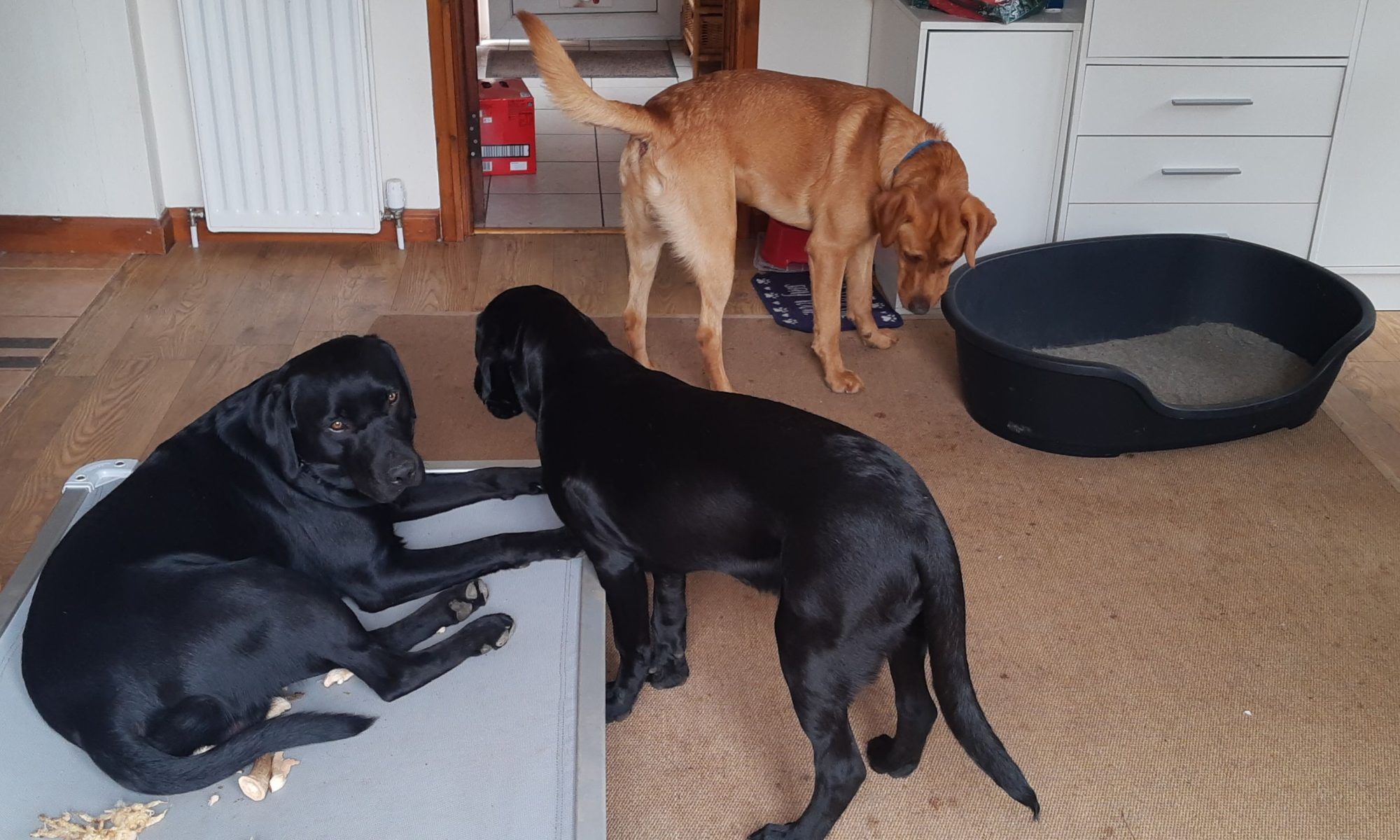
Living with multiple dogs can be a joyful experience—but it can also come with challenges. Sometimes squabbles break out over toys, space, or attention, leaving owners feeling stressed or unsure how to respond. Understanding pack dynamics is key to creating a calm, harmonious home where every dog feels safe and valued.
What Are Pack Dynamics?
“Pack dynamics” refers to the social relationships and hierarchies that naturally form among dogs living together. Contrary to common misconceptions, it’s not about dominance or rigid ranking, but about communication, respect, and understanding each dog’s personality.
In a multi-dog household, dynamics influence:
- Who initiates play and who prefers to watch
- How dogs communicate boundaries
- Resource sharing (toys, food, space, and attention)
- Responses to stress, excitement, or changes in routine
Recognizing these patterns helps you intervene when necessary and support positive relationships.
Signs of Healthy Pack Dynamics
A well-adjusted group of dogs usually shows:
- Respectful interactions: Dogs can communicate limits without escalating to aggression.
- Shared leadership: No single dog is stressed by having to control everything; responsibilities are distributed naturally.
- Cooperative play: Dogs adjust play styles to suit each other’s energy and size.
- Calm resting together: Dogs can relax in the same space without tension or jealousy.
When Things Go Awry
Even with the best intentions, conflicts or tension can arise. Signs your pack may need extra support include:
- Repeated growling, snapping, or chasing
- Persistent guarding of toys, beds, or food
- One dog consistently being pushed out of social interactions
- Heightened stress around group activities
When to Intervene: Setting Boundaries and Supporting the Pack
While dogs communicate and negotiate among themselves, as the human in a multi-dog household, you are ultimately responsible for the structure, safety, and fairness of the pack. “Giving your dogs a chance to work things out naturally” does not mean letting one dog be bullied, stressed, or excluded.
You should intervene when you notice:
- Repeated aggression or escalation: Growling, snapping, or chasing that doesn’t resolve quickly
- Clear stress signals: One dog hiding, cowering, or constantly trying to escape interactions
- Unfair treatment: One dog consistently being pushed out of play, food, or resting areas
How to Intervene Effectively
- Stay Calm and Neutral – Use a firm but gentle voice, without showing frustration or anger. Dogs pick up on our emotions.
- Redirect or Separate Temporarily – Step in to interrupt rough or unfair interactions, and give the dogs space to reset.
- Reinforce Positive Behavior – Reward dogs when they communicate politely, share space, or wait their turn.
- Maintain Consistent Structure – Set clear boundaries for play, resources, and attention. Consistency helps all dogs understand expectations.
Remember: your role is not to micromanage every interaction, but to guide, support, and ensure fairness. Healthy pack dynamics rely on humans creating a safe environment where each dog is respected and valued.
Practical Tips for Supporting Positive Dynamics
- Observe Carefully – Watch how your dogs interact and notice individual preferences, limits, and stress signals.
- Provide Plenty of Resources – Multiple beds, bowls, and toys reduce competition and help every dog feel secure.
- Separate for Individual Time – One-on-one attention reduces jealousy and prevents tension.
- Encourage Calm, Respectful Interactions – Reward polite greetings, shared play, and gentle communication.
- Use Structured Training Sessions – Group training or structured activities teach cooperation and reinforce positive behaviors.
The Owner’s Role
As the human in the household, your role is guide, observer, and supporter. By understanding pack dynamics and stepping in when necessary, you can:
- Prevent conflicts before they start
- Recognize and respect each dog’s personality and needs
- Foster trust, confidence, and cooperation among your dogs
Takeaway
Multi-dog households thrive when owners understand and actively support the natural social structure of their pack. By observing interactions, providing resources, setting boundaries, and guiding positive behavior, you create a peaceful, joyful environment where every dog can flourish.