Pack Dynamics Made Simple: Understanding Your Multi-Dog Household

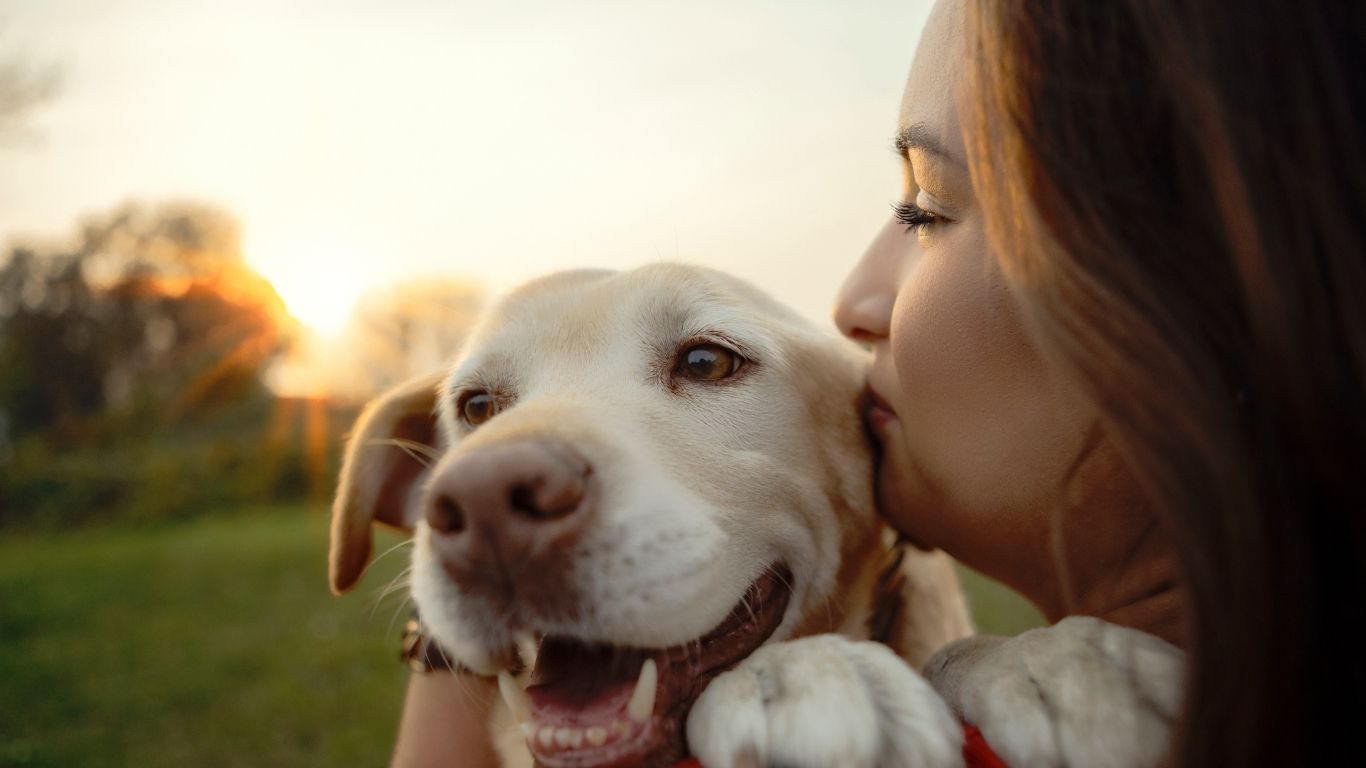
Living with multiple dogs can be a joyful experience—but it can also come with challenges. Sometimes squabbles break out over toys, space, or attention, leaving owners feeling stressed or unsure how to respond. Understanding pack dynamics is key to creating a calm, harmonious home where every dog feels safe and valued.

Continue reading “Pack Dynamics Made Simple: Understanding Your Multi-Dog Household”

Coping With Dog Ownership During Illness – Adjusting, Not Rehoming [free handout]

When I went through a long period of depression, one of my biggest worries was my dogs. On the days I could barely get out of bed, I felt like I was letting them down. Walks became shorter, training stopped altogether, and I often questioned if I was being fair to them. In my darkest moments, I even thought about whether they’d be better off with another family.

But what I slowly learned was that dogs don’t need perfection — they need connection, safety, and love. My dogs didn’t judge me for skipping long hikes; they were just as happy curled up beside me on the sofa. When I had energy, I’d scatter their food in the garden or play a few minutes of tug. When I couldn’t, I leaned on friends to help. And what surprised me most: my dogs gave me a reason to keep going. Their wagging tails, soft nudges, and quiet presence grounded me in ways therapy alone never could.

If you’re living with illness — whether it’s depression, chronic pain, fatigue, or something else — you may also have worried about whether you can keep caring for your dogs. The good news is: with adjustments, support, and kindness toward yourself, you don’t have to give them up. Here’s how to make things work.

Continue reading “Coping With Dog Ownership During Illness – Adjusting, Not Rehoming [free handout]”

Building Trust: Becoming Your Dog’s Safe Base

When living with a reactive dog, it can sometimes feel like the world is full of triggers — bicycles, strangers, other dogs, or even sudden noises. Many owners tell me they feel helpless, as if their dog is on constant high alert.

The truth is, reactivity doesn’t get better through stricter control or demanding obedience. What makes the biggest difference is trust. For a dog who struggles with fear or overexcitement, the foundation of healing is knowing: “My human will keep me safe.”

Continue reading “Building Trust: Becoming Your Dog’s Safe Base”

When Habits Go Beyond Play: Understanding Obsessive-Compulsive Behaviors in Dogs

As a dog owner, it can be both puzzling and worrying to see your dog engage in behaviors that seem repetitive or excessive—chasing their tail for hours, obsessively licking a paw, or even eating things they shouldn’t. These behaviors are not a sign of “bad” dogs or bad ownership. In many cases, they fall under a recognized category called canine obsessive-compulsive disorder (OCD). Understanding these behaviors is the first step toward helping your dog live a happy, healthy life.

Continue reading “When Habits Go Beyond Play: Understanding Obsessive-Compulsive Behaviors in Dogs”

Finding Trust in Freedom: The Benefits of Liberty Work with Reactive Dogs

When you live with a reactive dog, it can sometimes feel like the world shrinks around you. Walks are carefully planned, encounters with other dogs or people can be stressful, and the lead often feels like both a lifeline and a barrier. In those moments, it’s easy to wonder if your dog will ever relax, or if you’ll ever fully trust each other outside of tightly managed situations.

This is where liberty work can be transformational.

Continue reading “Finding Trust in Freedom: The Benefits of Liberty Work with Reactive Dogs”

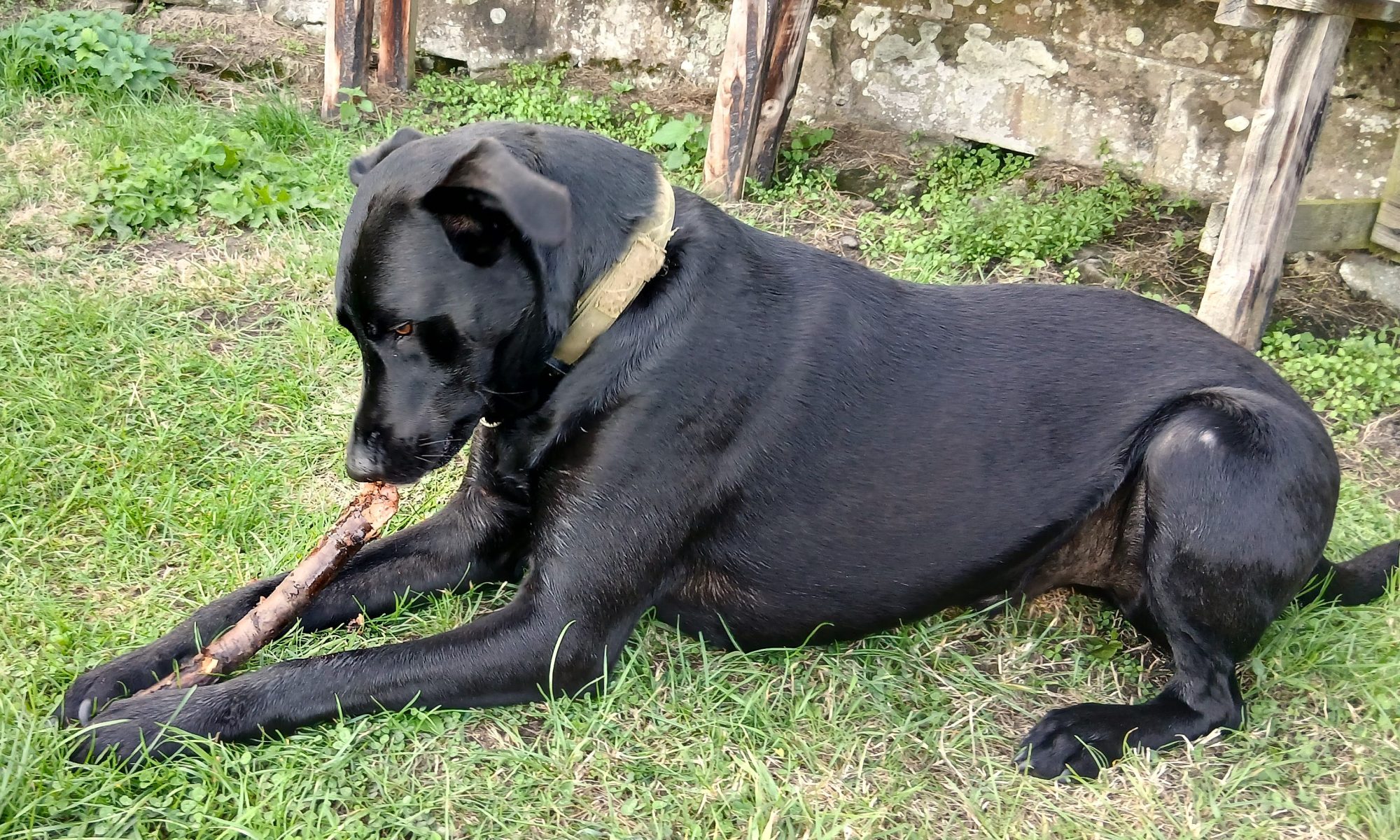
Living With Big Black Dogs: Understanding the Hidden Bias

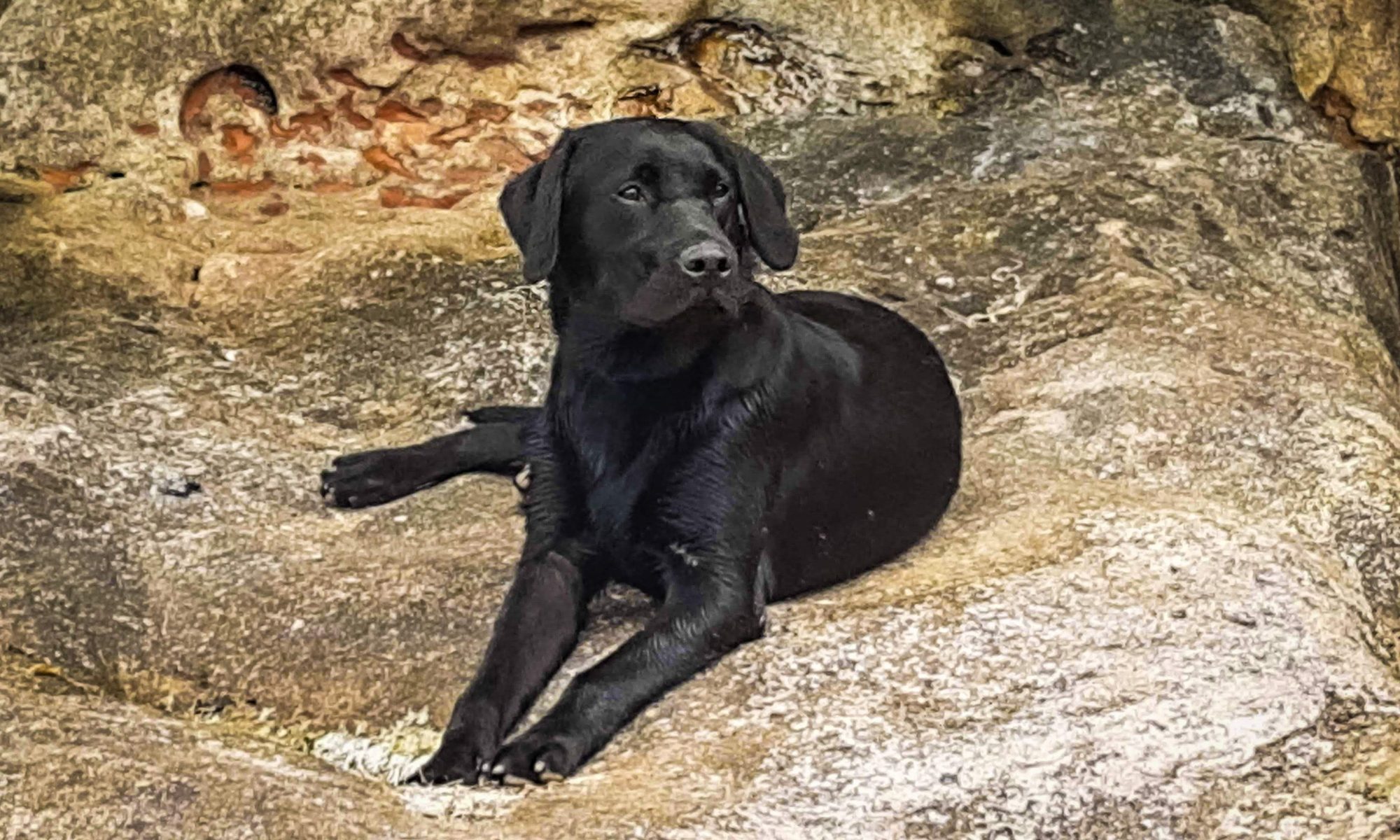
If you’ve ever shared your life with a big black dog, you may already know the quiet prejudice that follows them. People cross the street, children are pulled closer, and friendly greetings turn into wary glances.

“When I walk my black dog, I brace myself for the looks and the distance people put between us. It’s exhausting. He’s the gentlest soul I’ve ever known — and I wish more people could see that side of him.”

It’s a day-to-day reality for many owners and fosterers who know their gentle companions are too often judged by their colour and size.

Continue reading “Living With Big Black Dogs: Understanding the Hidden Bias”

When a Dog’s Yelp Sparks Aggression: Understanding Reflexive Arousal

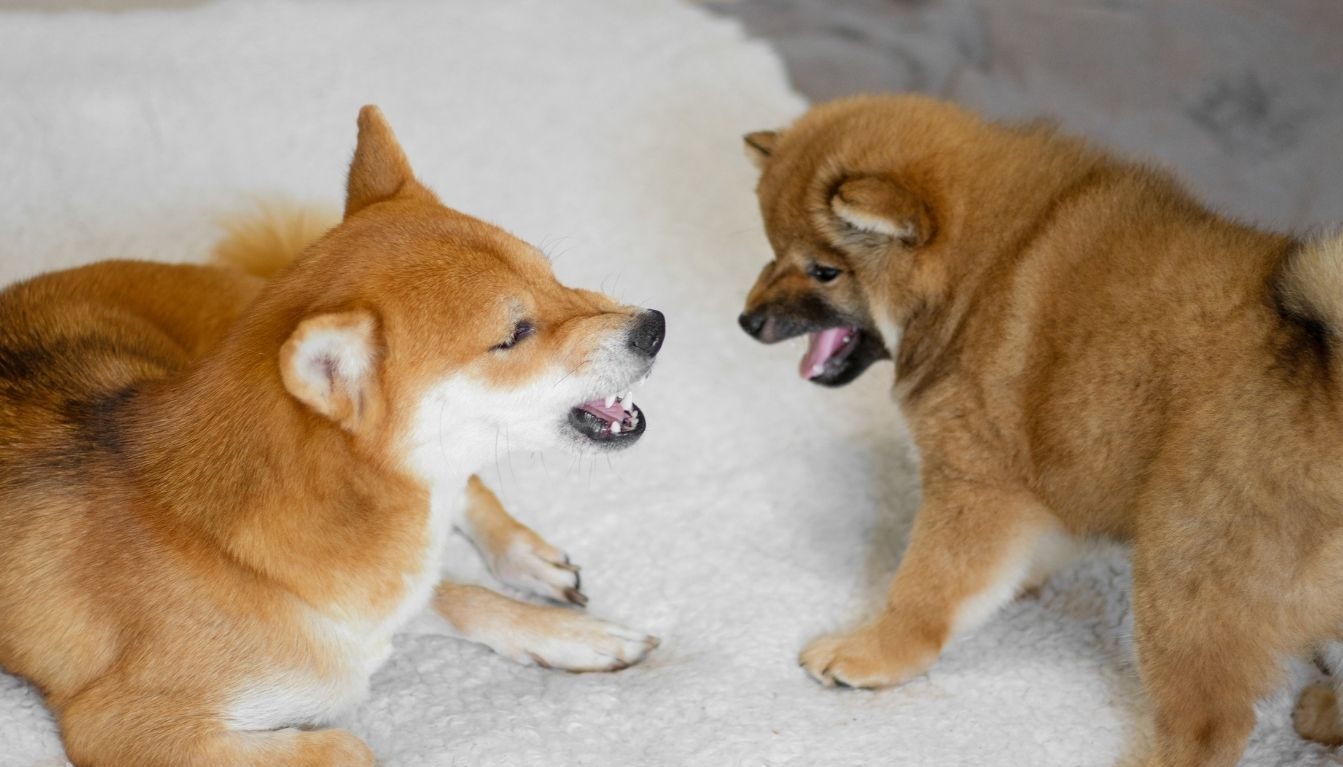
Dogs are social animals, and in multi-dog households their relationships are often full of nuance: friendship, rivalry, alliances, and moments of conflict. But one of the more puzzling — and distressing — behaviours that owners sometimes witness is when a dog yelps, squeals, or shows vulnerability (after play, an accident, injury, illness, or returning from a veterinary procedure), and another dog responds with sudden aggression.

The phenomenon isn’t rare. Trainers and behaviourists often report cases like:

  • A dog returning from neutering, only to be harassed or attacked by housemates.
  • Play escalating after one dog yelps, leading to a full-blown fight.
  • Sick or elderly dogs becoming targets of snappier, more irritable behaviour from younger companions.

This reaction can feel shocking, even cruel. Why would one dog turn on a packmate at their weakest moment? To understand, we need to look at both science-based explanations and lived experiences from trainers and owners.

Continue reading “When a Dog’s Yelp Sparks Aggression: Understanding Reflexive Arousal”

Liberty Work With Dogs – Building Connection Without a Lead

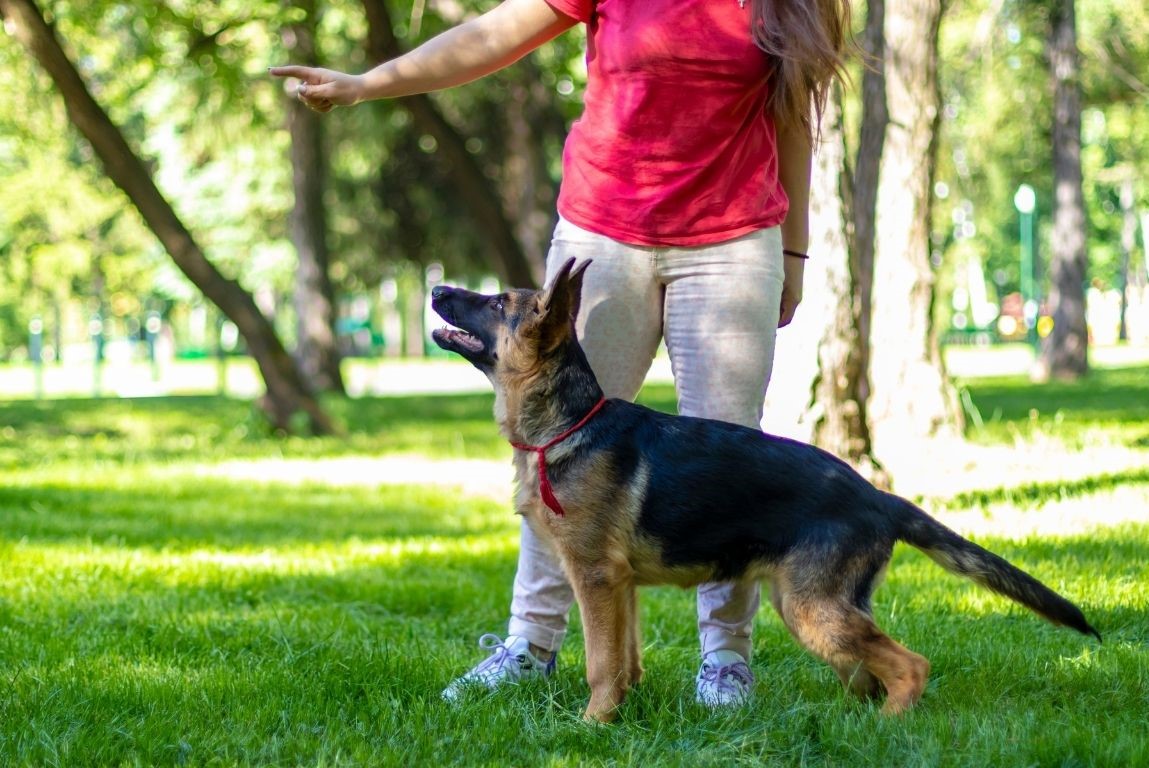
When most people picture dog training, they imagine leads, treats, and structured exercises. But what happens when you take the lead away and rely only on trust and communication? That’s the essence of liberty work.

Liberty work—training without physical restraint—isn’t about letting your dog “run wild.” Instead, it’s about creating a partnership where your dog chooses to stay engaged with you because they want to, not because they have to.

Continue reading “Liberty Work With Dogs – Building Connection Without a Lead”