Finding Trust in Freedom: The Benefits of Liberty Work with Reactive Dogs

When you live with a reactive dog, it can sometimes feel like the world shrinks around you. Walks are carefully planned, encounters with other dogs or people can be stressful, and the lead often feels like both a lifeline and a barrier. In those moments, it’s easy to wonder if your dog will ever relax, or if you’ll ever fully trust each other outside of tightly managed situations.

This is where liberty work can be transformational.

Continue reading “Finding Trust in Freedom: The Benefits of Liberty Work with Reactive Dogs”

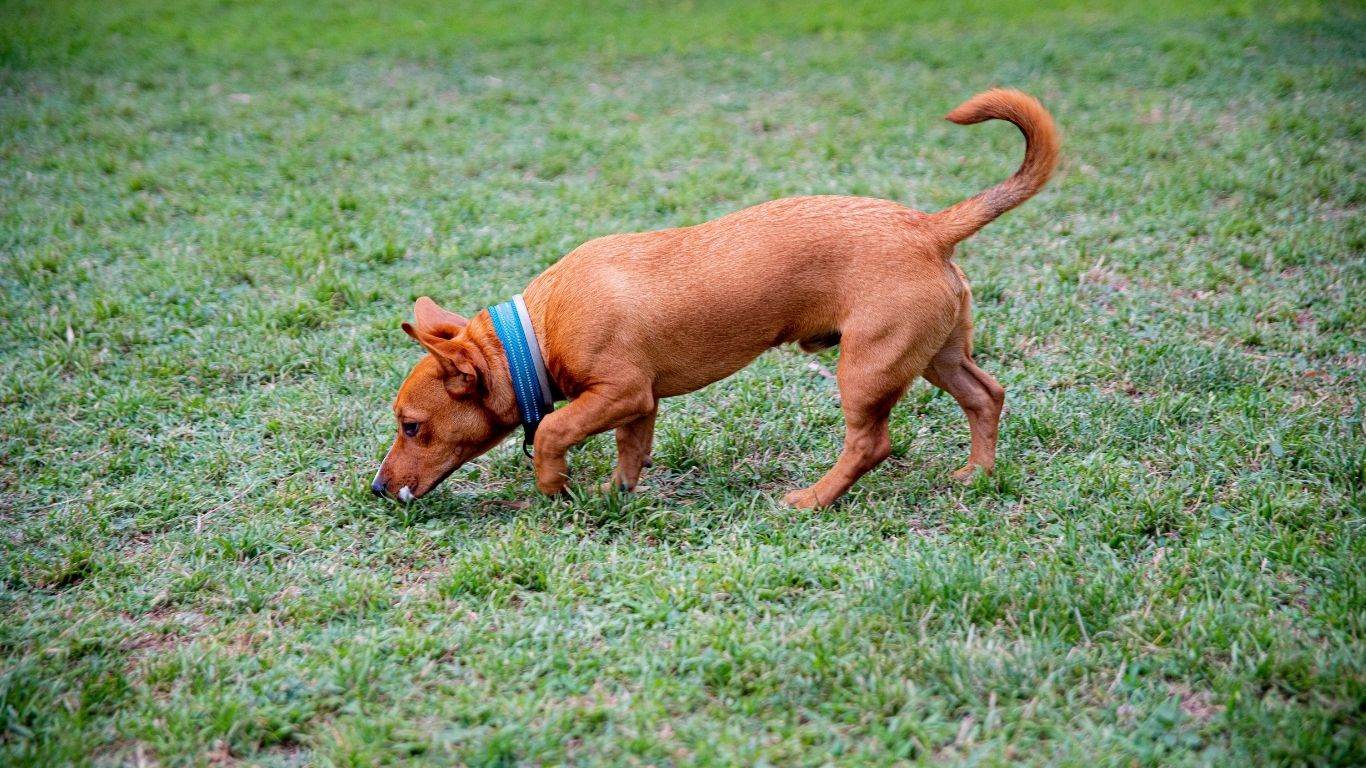
Liberty Work With Dogs – Building Connection Without a Lead

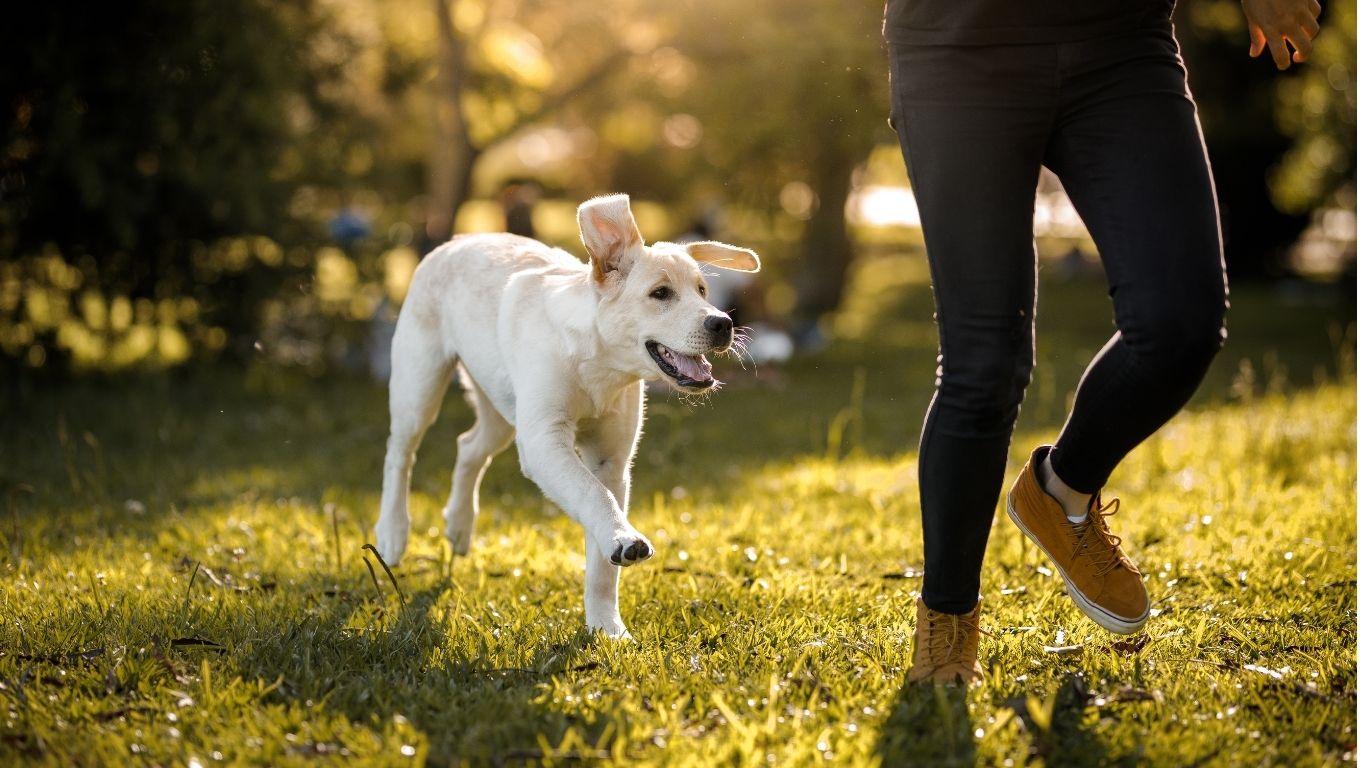
When most people picture dog training, they imagine leads, treats, and structured exercises. But what happens when you take the lead away and rely only on trust and communication? That’s the essence of liberty work.

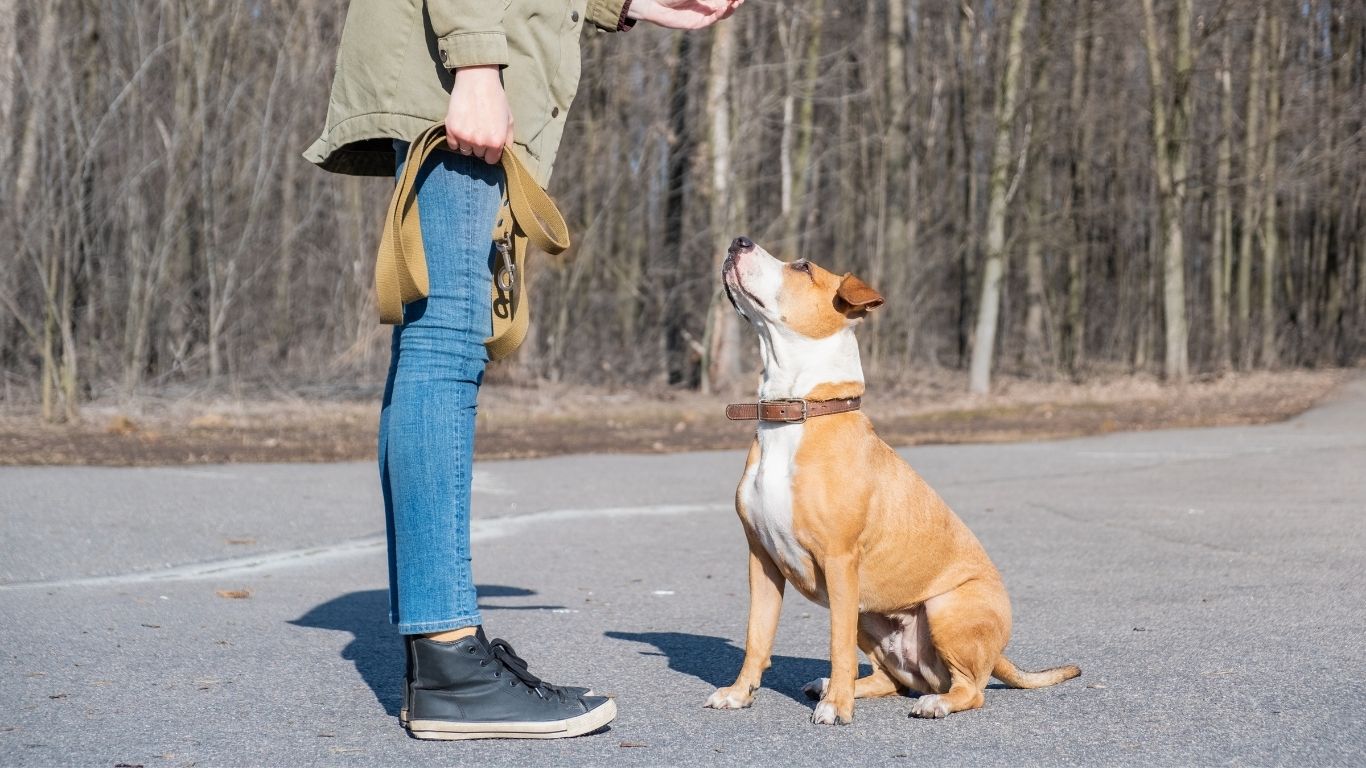
Liberty work—training without physical restraint—isn’t about letting your dog “run wild.” Instead, it’s about creating a partnership where your dog chooses to stay engaged with you because they want to, not because they have to.

Continue reading “Liberty Work With Dogs – Building Connection Without a Lead”

Rethinking Reactivity: It’s Not About Obedience, It’s About Treatment

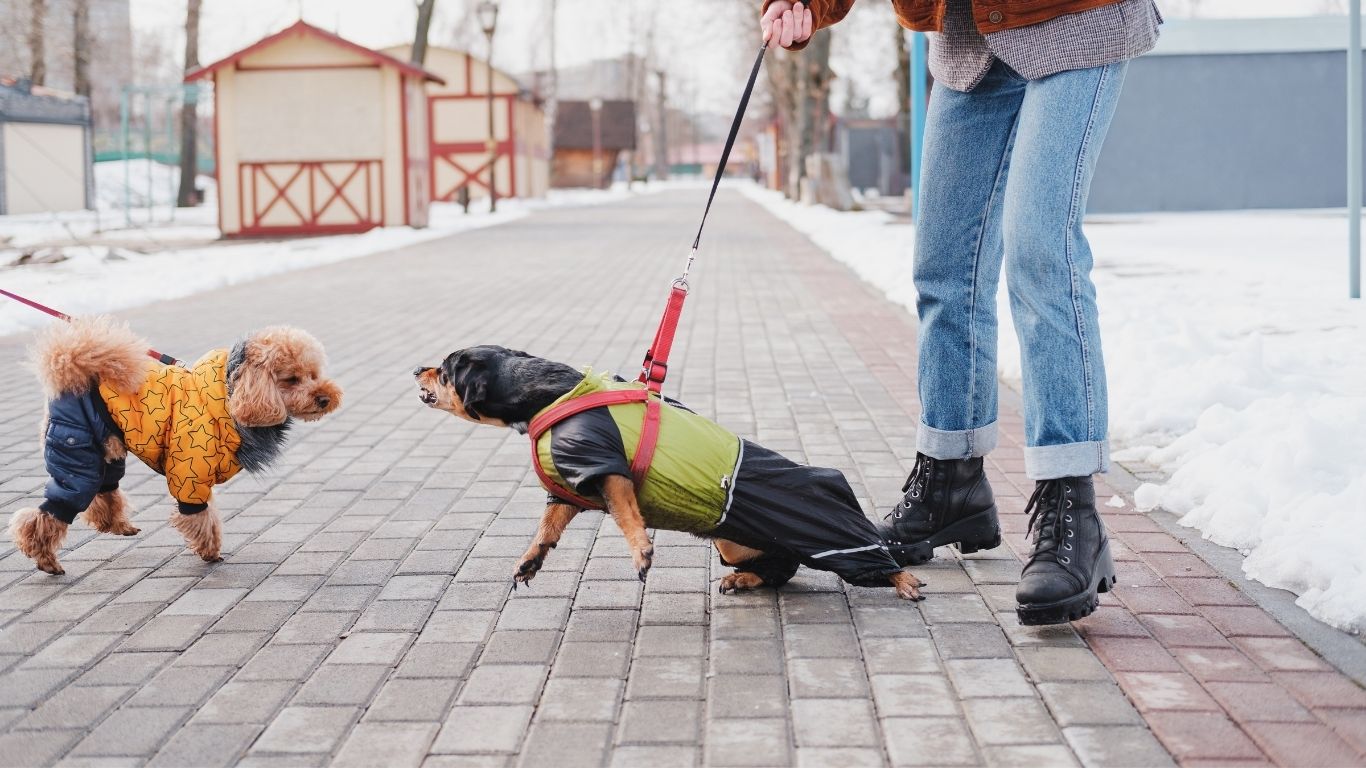
When people first come to me with a reactive dog, they often feel overwhelmed. Their dog may bark, lunge, growl, or spin when faced with certain situations — perhaps at other dogs, strangers, bikes, or unexpected noises. It can feel unpredictable, embarrassing, and even isolating.

One of the first things I tell them is this: reactivity is not bad behavior. It’s a communication of stress, fear, or overexcitement. And just like with humans who struggle with anxiety or trauma, the path forward is not punishment or obedience drills — it’s treatment.

Continue reading “Rethinking Reactivity: It’s Not About Obedience, It’s About Treatment”

The Power of Play: Finding What Your Dog Loves Most

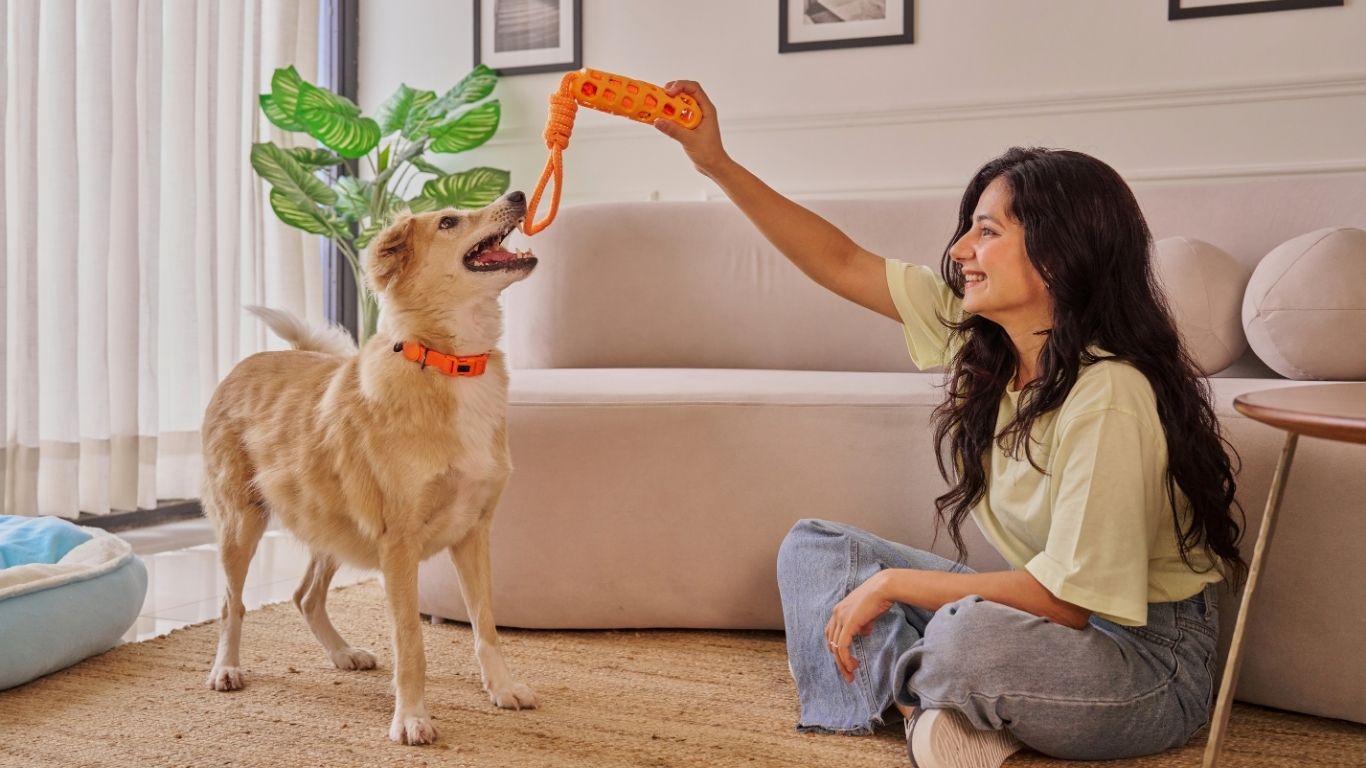
Play isn’t just about fun—it’s one of the most powerful ways to strengthen the bond between you and your dog. Every time you engage in play together, you’re building trust, deepening your relationship, and showing your dog that being with you is the most rewarding part of their day.

But here’s the secret: not all dogs enjoy the same kind of play. Just like people, they have preferences. Discovering what kind of play your dog loves most doesn’t just make them happy—it also gives you an incredible tool for rewarding good behaviour and reinforcing training in a way that feels joyful, not forced.

Continue reading “The Power of Play: Finding What Your Dog Loves Most”

The Role of “Touch” in Training Loose Lead Walking and Owner Focus [Free Handout]

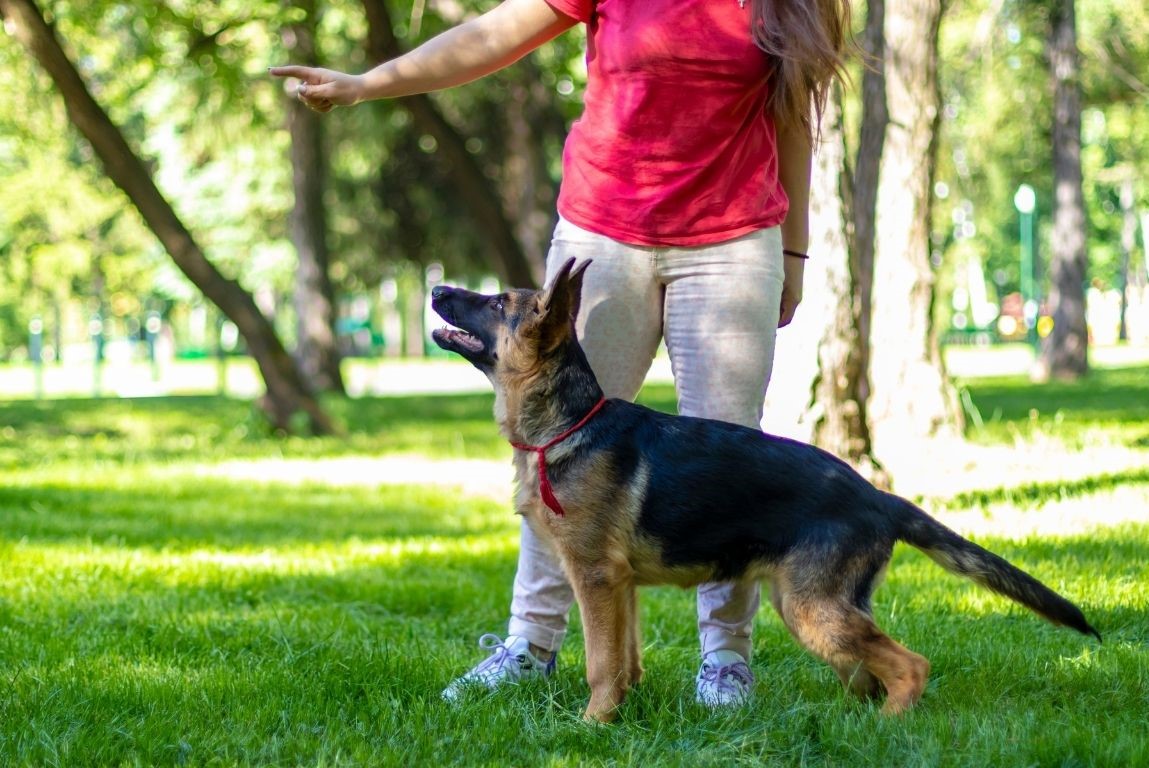
Loose lead walking is one of the biggest challenges many owners face. You clip on the lead, step outside, and suddenly it feels like your dog is competing in a sled race. The walk becomes a tug-of-war instead of a calm, enjoyable partnership.

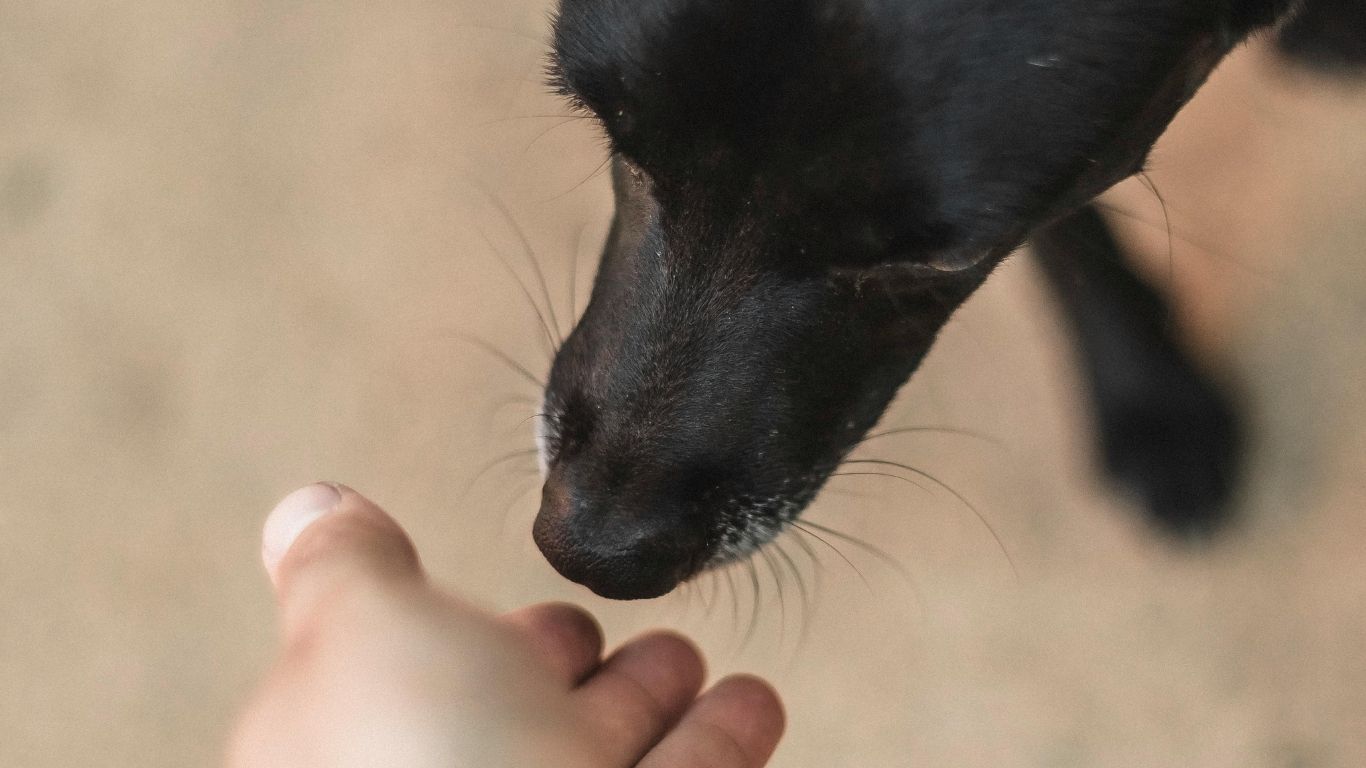
One simple yet powerful tool to shift the dynamic is a behaviour called “touch”—teaching your dog to target your hand with their nose on cue.

Continue reading “The Role of “Touch” in Training Loose Lead Walking and Owner Focus [Free Handout]”

Overexcitement at the Doorbell – Turning Chaos into Calm Greetings

The doorbell rings, and suddenly your calm household turns into a scene of pure chaos: barking, spinning, scratching at the door, maybe even leaping at guests as they walk in. If this sounds familiar, you’re not alone. Many dogs find the sound of a doorbell—or even a knock—to be one of the most exciting events of their day.

The good news? With the right approach, you can transform that frenzy into a calm, polite greeting.

Continue reading “Overexcitement at the Doorbell – Turning Chaos into Calm Greetings”

The Magic of “Yes!” – Why Markers Are Essential in Dog Training [Free Handout]

Have you ever wished you could tell your dog the exact moment they did something right? That’s exactly what a marker does.

A marker is a short, clear signal — like the word “Yes!” or the click of a clicker — that tells your dog: “That’s it! You just earned a reward.”

It’s one of the most important tools in modern, reward-based training. When used properly, a marker makes learning faster, clearer, and more fun for both you and your dog.

Continue reading “The Magic of “Yes!” – Why Markers Are Essential in Dog Training [Free Handout]”

Hand Feeding Your Dog: Building Trust, Leadership, and Confidence [Free Handout]

Feeding time is one of the most important parts of your dog’s day. But did you know that how you feed your dog can make a big difference in your relationship, their behavior, and even their long-term confidence?

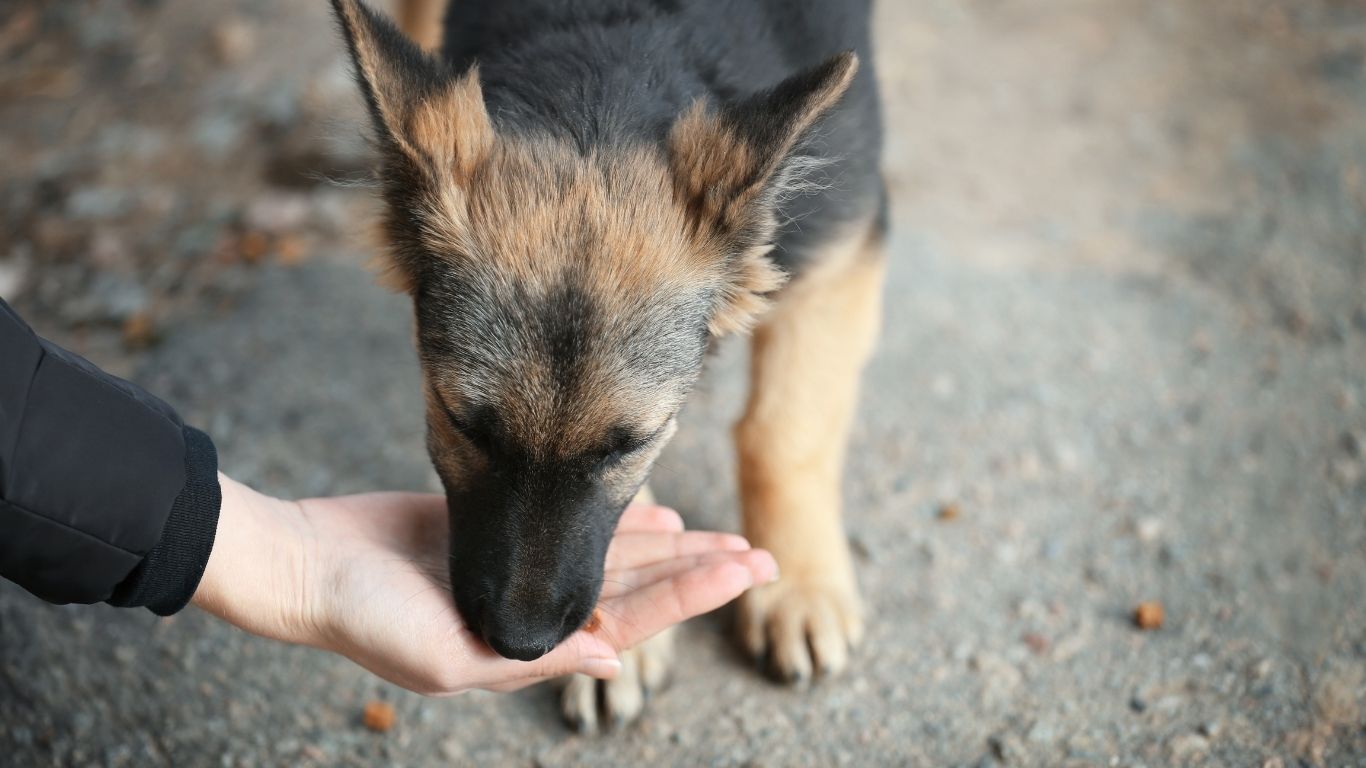
Hand feeding — giving your dog their daily meals directly from your hand instead of from a bowl — is a simple yet powerful way to strengthen your bond, build trust, and reduce the risk of resource guarding.

Continue reading “Hand Feeding Your Dog: Building Trust, Leadership, and Confidence [Free Handout]”

The Destruction Box: A Fun Training Tool to Build Your Dog’s Confidence and Focus (Free Handout)

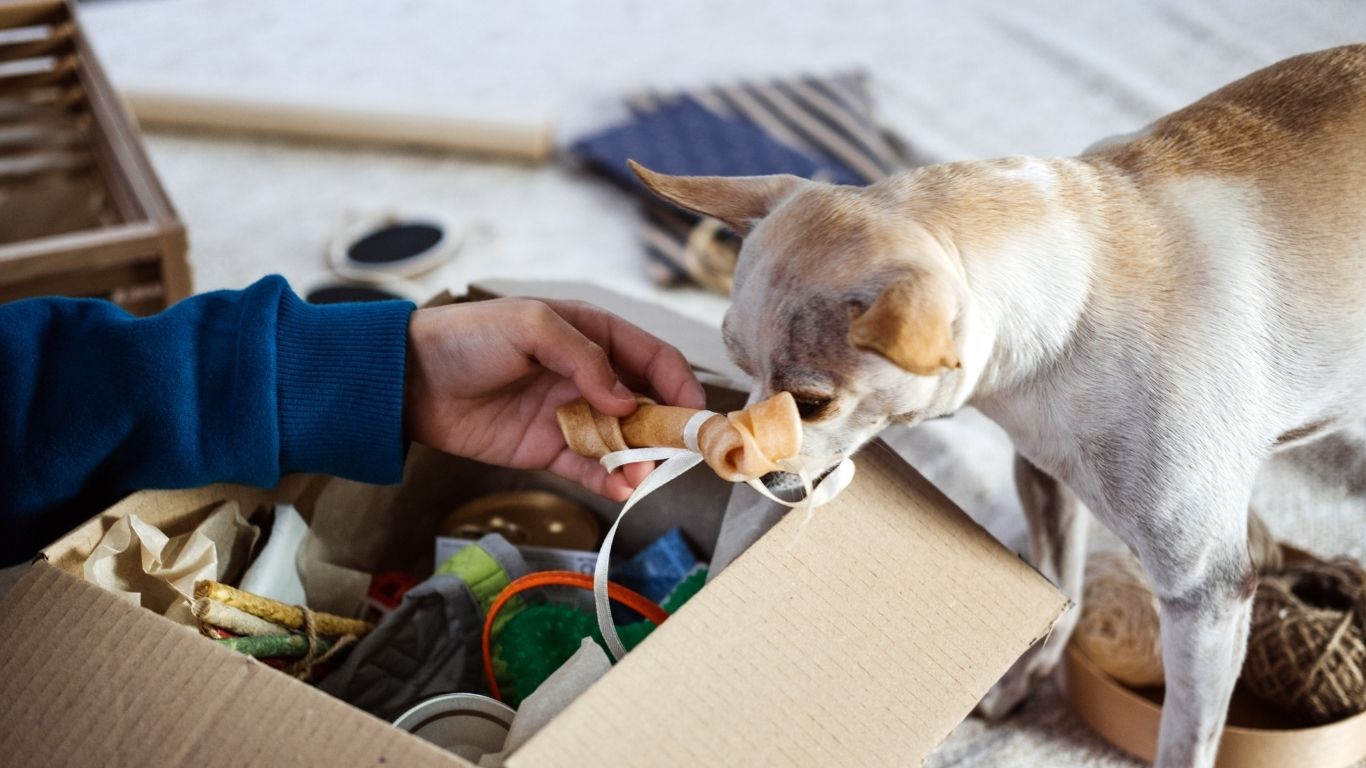
If you’ve ever watched your dog rip into a cardboard box with pure joy, you’ll know how satisfying destruction can be for them. What if I told you that this “messy” activity could actually be a powerful training tool that helps your dog develop confidence, focus, and problem-solving skills — all while leaving you with a calmer, more content pup?

Enter the destruction box. ?

Continue reading “The Destruction Box: A Fun Training Tool to Build Your Dog’s Confidence and Focus (Free Handout)”