
Coping With Dog Ownership During Illness – Adjusting, Not Rehoming [free handout]

When I went through a long period of depression, one of my biggest worries was my dogs. On the days I could barely get out of bed, I felt like I was letting them down. Walks became shorter, training stopped altogether, and I often questioned if I was being fair to them. In my darkest moments, I even thought about whether they’d be better off with another family.

But what I slowly learned was that dogs don’t need perfection — they need connection, safety, and love. My dogs didn’t judge me for skipping long hikes; they were just as happy curled up beside me on the sofa. When I had energy, I’d scatter their food in the garden or play a few minutes of tug. When I couldn’t, I leaned on friends to help. And what surprised me most: my dogs gave me a reason to keep going. Their wagging tails, soft nudges, and quiet presence grounded me in ways therapy alone never could.

If you’re living with illness — whether it’s depression, chronic pain, fatigue, or something else — you may also have worried about whether you can keep caring for your dogs. The good news is: with adjustments, support, and kindness toward yourself, you don’t have to give them up. Here’s how to make things work.

Continue reading “Coping With Dog Ownership During Illness – Adjusting, Not Rehoming [free handout]”
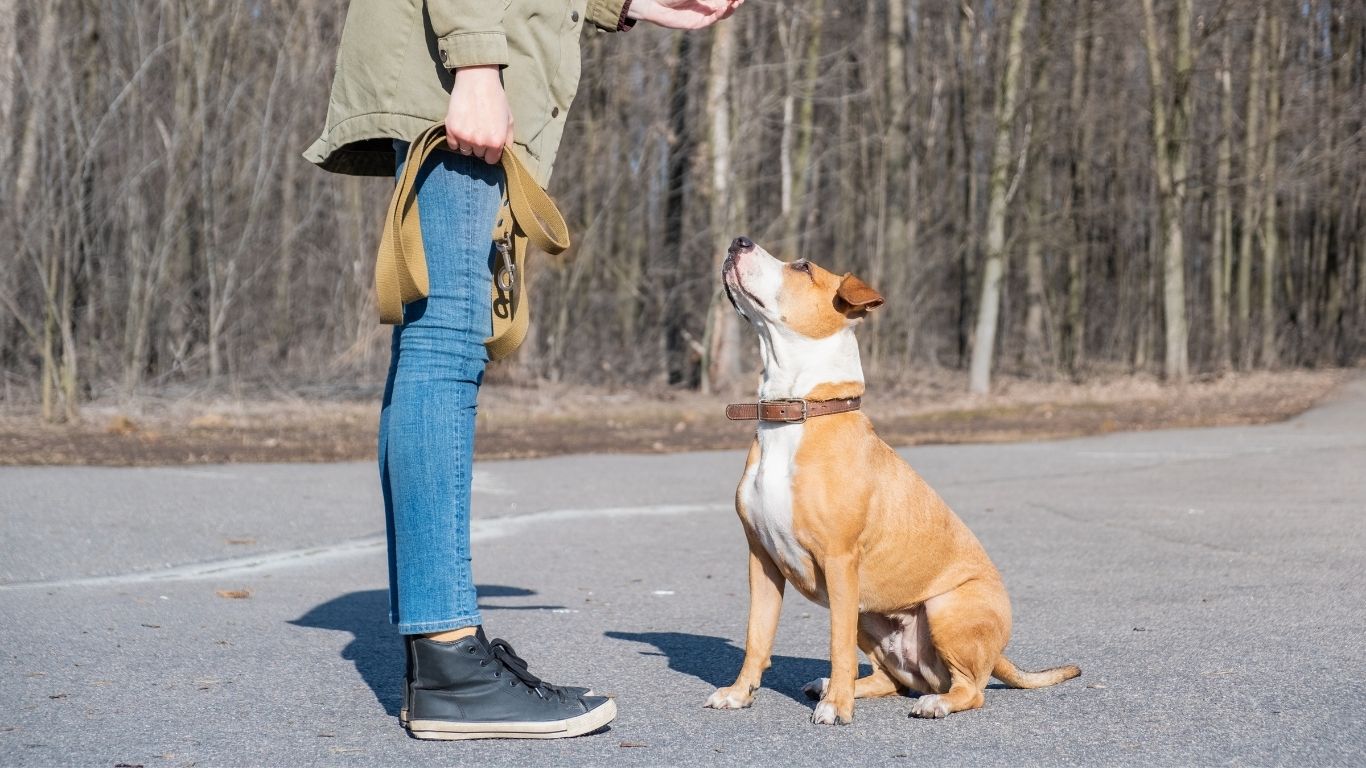
The Role of “Touch” in Training Loose Lead Walking and Owner Focus [Free Handout]

Loose lead walking is one of the biggest challenges many owners face. You clip on the lead, step outside, and suddenly it feels like your dog is competing in a sled race. The walk becomes a tug-of-war instead of a calm, enjoyable partnership.

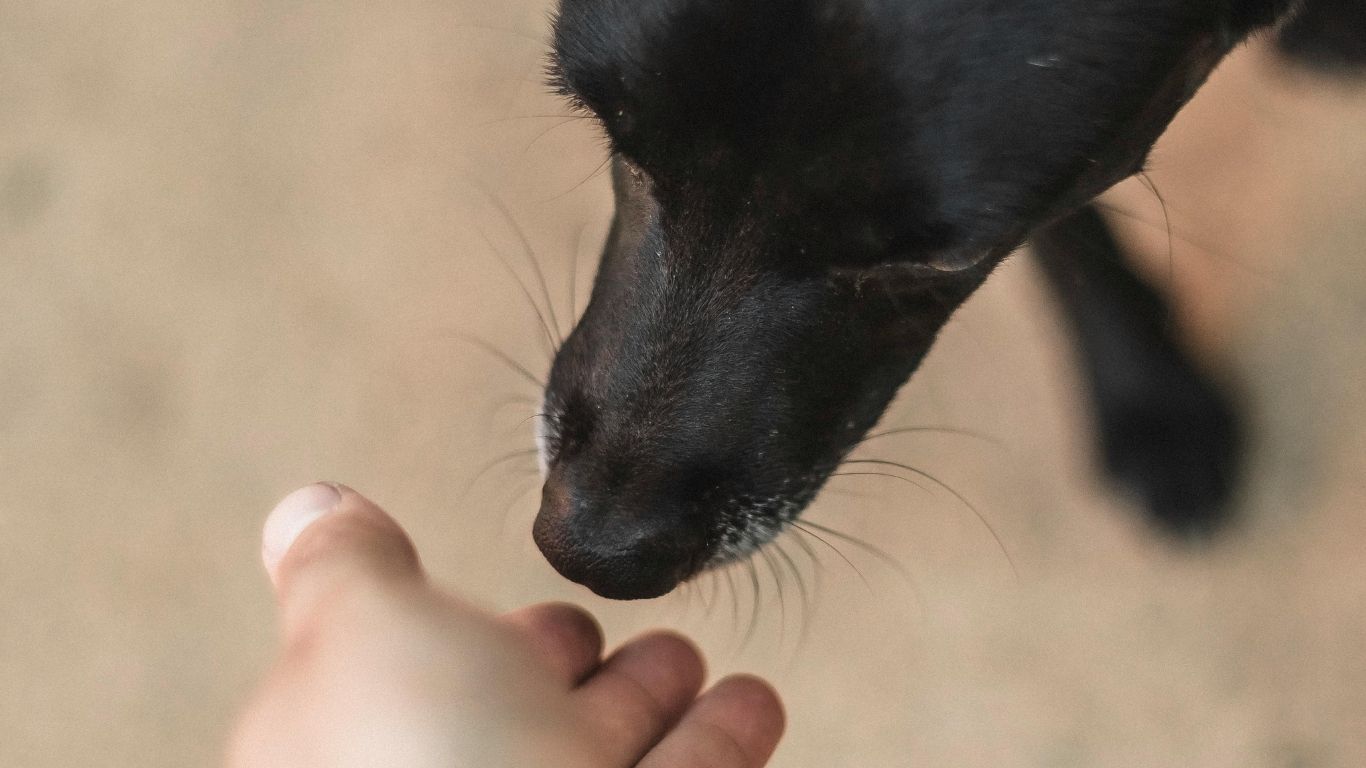
One simple yet powerful tool to shift the dynamic is a behaviour called “touch”—teaching your dog to target your hand with their nose on cue.

Continue reading “The Role of “Touch” in Training Loose Lead Walking and Owner Focus [Free Handout]”

The Magic of “Yes!” – Why Markers Are Essential in Dog Training [Free Handout]

Have you ever wished you could tell your dog the exact moment they did something right? That’s exactly what a marker does.

A marker is a short, clear signal — like the word “Yes!” or the click of a clicker — that tells your dog: “That’s it! You just earned a reward.”

It’s one of the most important tools in modern, reward-based training. When used properly, a marker makes learning faster, clearer, and more fun for both you and your dog.

Continue reading “The Magic of “Yes!” – Why Markers Are Essential in Dog Training [Free Handout]”

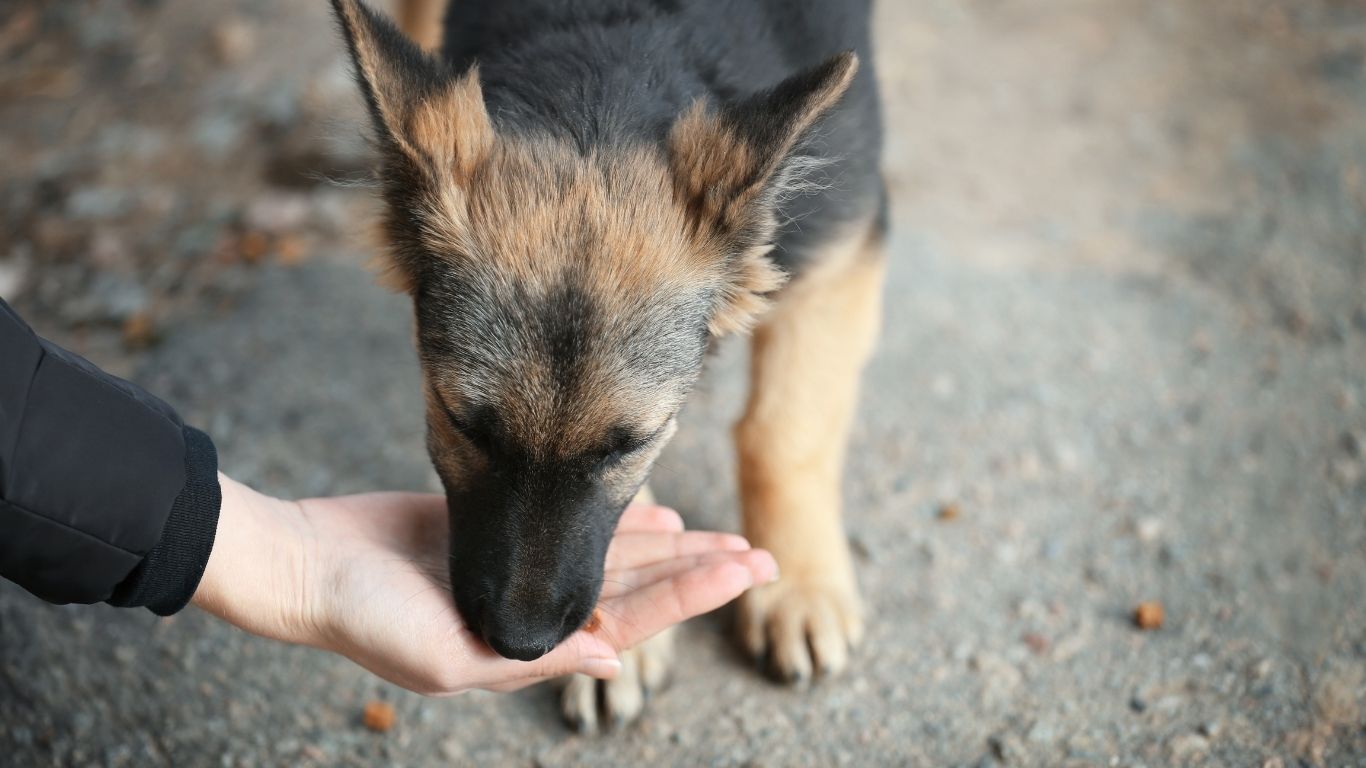
Hand Feeding Your Dog: Building Trust, Leadership, and Confidence [Free Handout]

Feeding time is one of the most important parts of your dog’s day. But did you know that how you feed your dog can make a big difference in your relationship, their behavior, and even their long-term confidence?

Hand feeding — giving your dog their daily meals directly from your hand instead of from a bowl — is a simple yet powerful way to strengthen your bond, build trust, and reduce the risk of resource guarding.

Continue reading “Hand Feeding Your Dog: Building Trust, Leadership, and Confidence [Free Handout]”

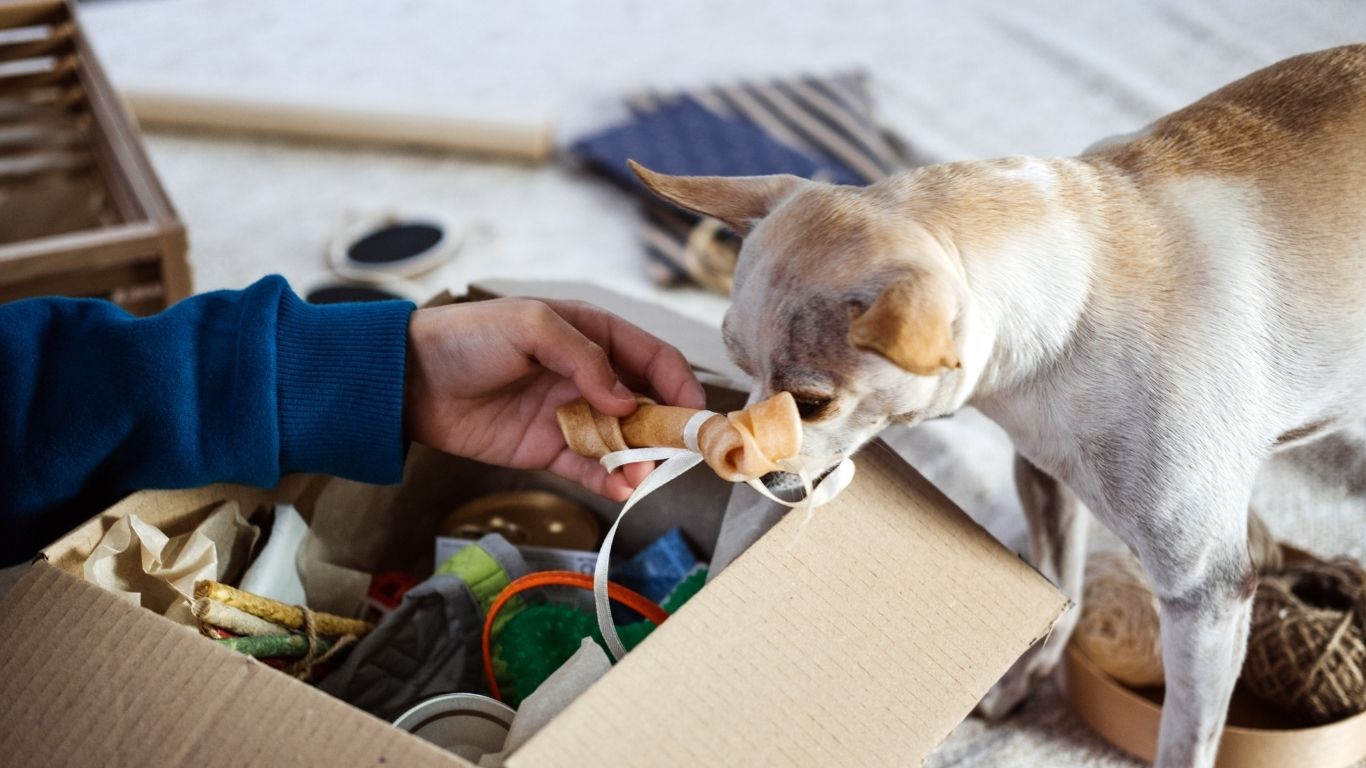
The Destruction Box: A Fun Training Tool to Build Your Dog’s Confidence and Focus (Free Handout)

If you’ve ever watched your dog rip into a cardboard box with pure joy, you’ll know how satisfying destruction can be for them. What if I told you that this “messy” activity could actually be a powerful training tool that helps your dog develop confidence, focus, and problem-solving skills — all while leaving you with a calmer, more content pup?

Enter the destruction box. ?

Continue reading “The Destruction Box: A Fun Training Tool to Build Your Dog’s Confidence and Focus (Free Handout)”

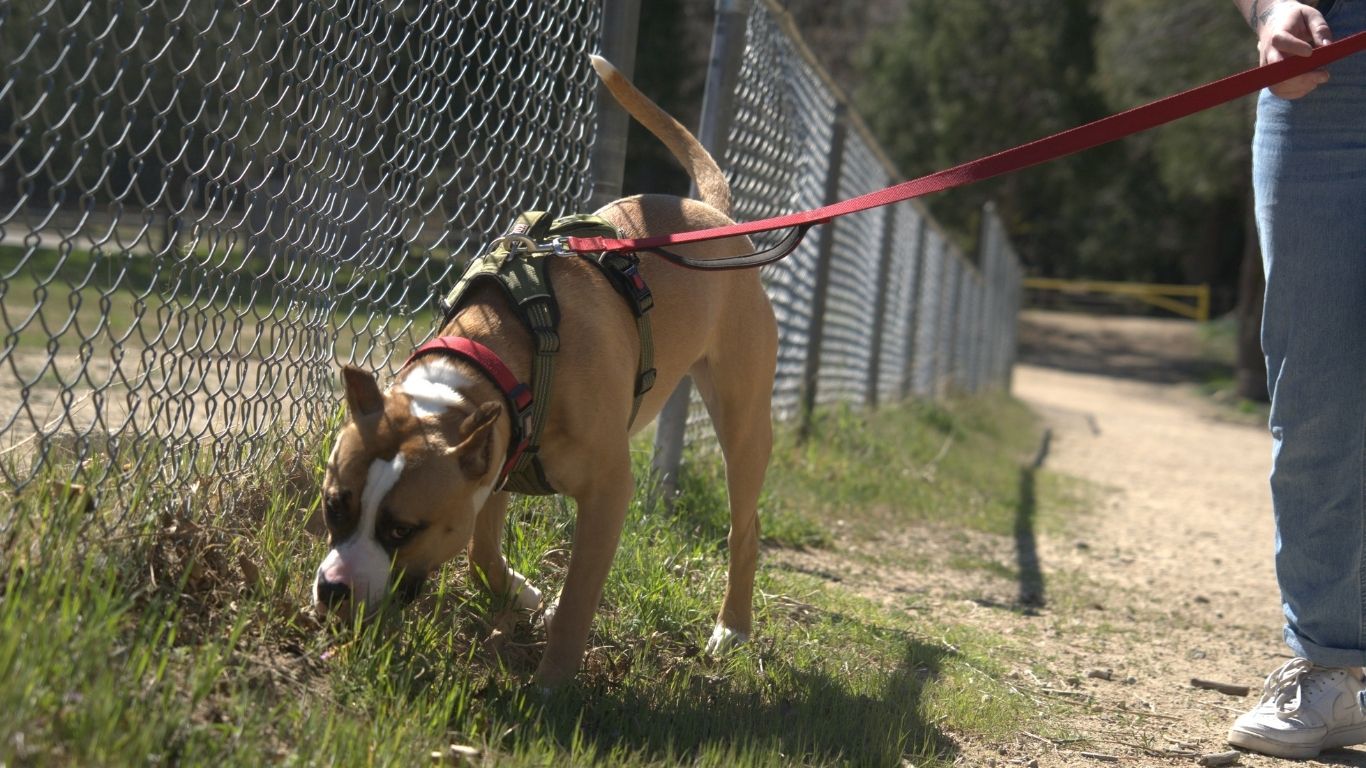
Beyond Treats and Toys: The Power of Environmental Rewards in Dog Training [Free Handout]

When most people think about dog training, they picture a pocket full of treats or a tug toy ready to go. And it’s true — food and toys are excellent rewards. They’re easy to deliver, most dogs love them, and they can help us teach new skills quickly.

But here’s the thing: treats and toys aren’t the only way to reward your dog. In fact, some of the most powerful motivators in your dog’s world are all around you — built into your daily walks, routines, and activities. These are called environmental rewards or contextual rewards, and when used thoughtfully, they can actually be more meaningful than a piece of chicken or a ball toss.

Continue reading “Beyond Treats and Toys: The Power of Environmental Rewards in Dog Training [Free Handout]”