
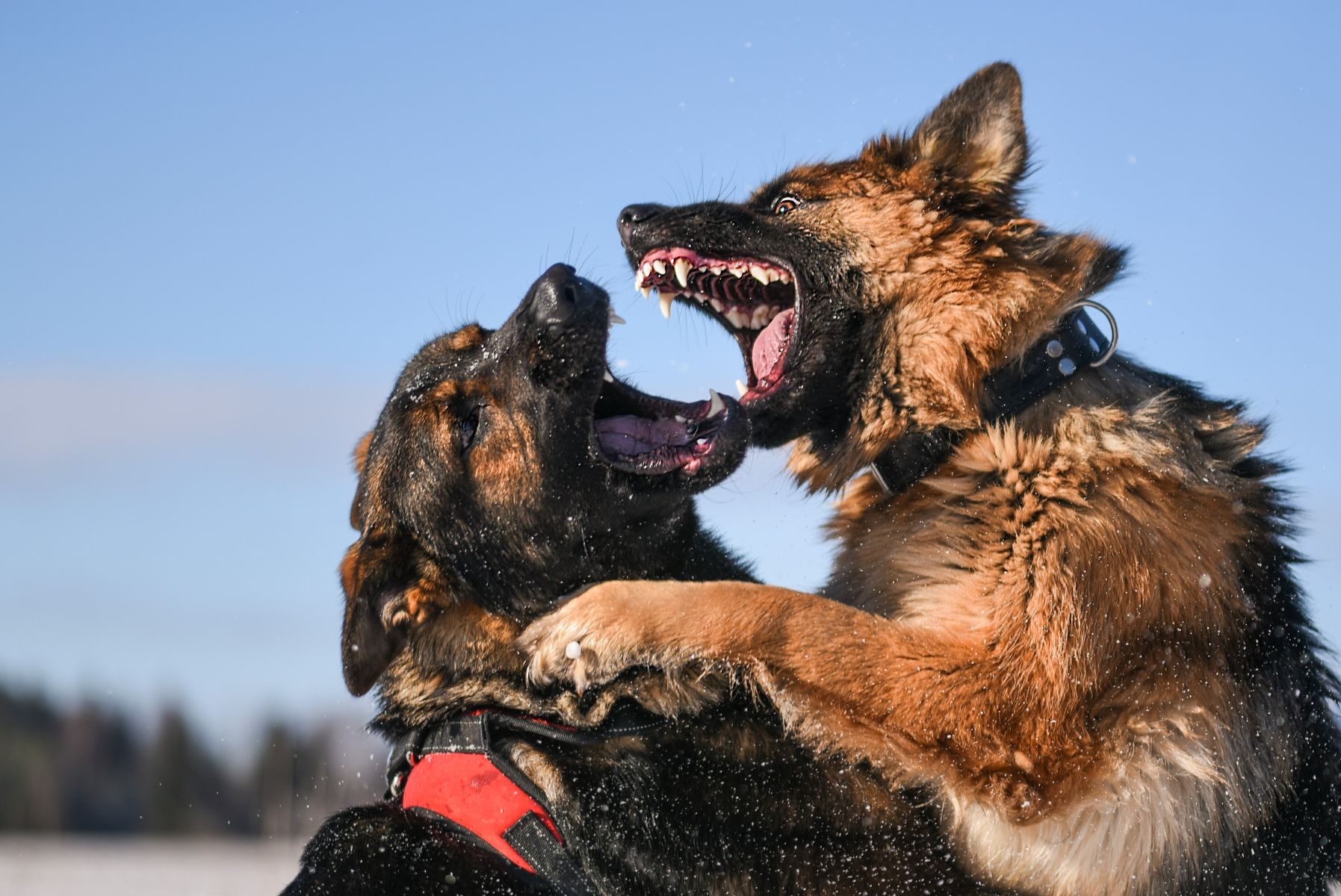
As dog owners, it is not uncommon to witness our furry friends engaging in playful activities with other dogs.
However, there can be moments when the line between innocent roughhousing and a potentially dangerous dog fight becomes blurred. It is crucial for dog owners and enthusiasts to understand the distinction between these two behaviors in order to ensure the safety and well-being of our beloved pets.
In this comprehensive blog post, we will delve into the intricacies of canine behavior, decoding the signs that differentiate between harmless rough mouthy play and escalating aggression. By gaining a deeper understanding of our dogs’ behaviors, we will be equipped with the knowledge to intervene effectively and promote a harmonious environment for our canine companions.
Understanding the nature of rough mouthy play
Understanding the nature of rough mouthy play in dogs is crucial for every dog owner. It is common for dogs to engage in play that involves mouthing, biting, and wrestling with each other. This form of play is a natural part of their behavior and is known as rough mouthy play.
Rough mouthy play is a way for dogs to interact, establish boundaries, and build social skills amongst themselves. During this play, dogs may engage in gentle nipping, biting, or mouthing, but it is important to differentiate it from aggressive behavior or a real dog fight.
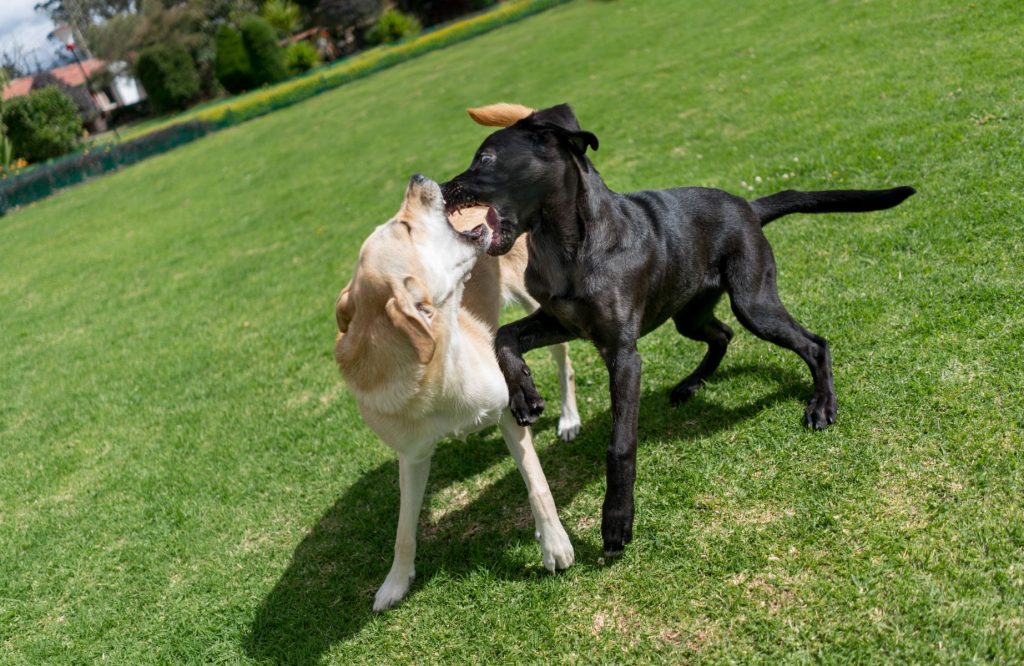
One key characteristic of rough mouthy play is the overall body language and behavior of the dogs involved. Dogs engaging in rough mouthy play will generally exhibit relaxed and loose body language. They may take turns being the one on top or bottom and will often pause and check in with each other to ensure mutual consent to continue the play.
Additionally, dogs engaged in rough mouthy play will typically have soft, relaxed mouths and will avoid causing any harm to each other. It is important to note that if one dog becomes uncomfortable or distressed during play, they will usually communicate their discomfort through vocalization or body language cues, such as yelping, backing away, or adopting a more submissive posture.
In conclusion, rough mouthy play is a natural behavior in dogs and serves as a means of social interaction and learning. Understanding the difference between rough mouthy play and aggression is crucial as a dog owner. If a dog’s behavior escalates beyond playfulness and exhibits signs of aggression, such as intense growling, snapping, or causing harm to another dog, it is essential to intervene and safely separate the dogs.
Recognizing the signs of escalating aggression
Recognizing the signs of escalating aggression in dogs is crucial for ensuring the safety and well-being of both dogs and humans. While it may be easy to mistake rough, mouthy play for aggression, understanding the subtle cues can help differentiate between the two. One of the key signs to watch out for is a change in body language. As dogs become more aggressive, they may exhibit stiff body posture, raised hackles, and a tense facial expression. Growling and snarling are also clear indications that a dog’s playfulness has transformed into aggression. Pay close attention to their ears and tail as well – if the ears are pinned back and the tail is held rigidly or tucked between the legs, it may be a sign of escalating aggression. Another important cue is the intensity of the behavior. Rough play often involves playful barks, soft mouthing, and bouncing movements. However, aggression tends to escalate quickly and can involve forceful biting, lunging, and snatching.
It is crucial to intervene if you observe these aggressive behaviors, as they can lead to serious injuries. Additionally, keep an eye out for any signs of fear or anxiety. Dogs that are feeling threatened may display behaviors such as cowering, attempting to hide, or showing submissive postures like rolling over onto their backs. These signs indicate that the situation is no longer playful and may require intervention to prevent any harm. Understanding the subtle differences between rough, mouthy play and escalating aggression is vital for responsible dog owners. By being observant and knowledgeable about canine behavior, we can create a safe environment for our furry friends and prevent any potential harm.
Intervening effectively in potentially dangerous situations
Intervening effectively in potentially dangerous situations between dogs is crucial for their safety and well-being. Instead of panicking or shouting, try using a distraction technique such as a loud noise or a spray of water to startle the dogs. This can momentarily break their focus and give you a chance to safely separate them.
However, it’s crucial not to physically intervene by reaching your hands between fighting dogs. This can result in accidental injury to yourself or escalate the situation further. Instead, use a long object like a broomstick or a blanket to create a barrier between them. You can also try redirecting their attention by tossing treats or using a toy to distract them from the conflict.
If the situation does not deescalate, it may be necessary to seek professional help from a certified dog trainer or behaviorist. They can provide valuable guidance on safely managing and modifying the dogs’ behavior to prevent future conflicts. Remember, understanding the difference between dog fights and rough mouthy play is vital to ensure the safety and well-being of all dogs involved. By intervening effectively and seeking professional assistance when needed, you can help create a harmonious environment for your furry friends.
——————————