

As dog owners, we often think of our furry companions as members of our family. And just like humans, dogs can experience stress and anxiety. Unfortunately, unlike humans, dogs cannot communicate their feelings through language. As pet parents, it’s essential to understand the signs of stress and anxiety in our furry friends to help them feel comfortable and safe. In this post, we will explore the various ways dogs communicate, including body language, vocalizations, and behavior. We will also look at common causes of stress and anxiety in dogs and how to recognize and manage these issues. With this knowledge, we can ensure our furry friends live a happy, healthy, and stress-free life.
Introduction to canine communication
Understanding the basics of canine communication is essential for every dog owner. Dogs, like humans, use a variety of methods to communicate their feelings and emotions. While they cannot speak our language, they rely on subtle cues and body language to convey their messages.
One of the primary ways dogs communicate is through their body posture. Paying attention to their overall body language, including their stance, tail position, and ear position, can give us valuable insights into their emotional state. For example, a relaxed and loose body posture indicates that the dog is calm and comfortable, while a tense and stiff body suggests anxiety or fear.
Facial expressions also play a crucial role in canine communication. Just like humans, dogs can use their facial muscles to express a wide range of emotions. Dilated pupils, a wrinkled forehead, and a closed mouth might indicate stress or discomfort. On the other hand, relaxed facial muscles, soft eyes, and a gently wagging tail can signify a content and happy dog.
Vocalizations are another form of communication used by dogs. Barking, growling, whining, and howling are all ways for dogs to express their needs or emotions. It is important to pay attention to the context and accompanying body language when interpreting these vocalizations, as they can have different meanings depending on the situation.
Understanding and interpreting canine communication is not only beneficial for building a strong bond with your dog but also for ensuring their well-being. By being aware of their behavioral cues and recognizing signs of stress and anxiety, you can provide a safe and supportive environment for your furry friend.

Body language cues indicating stress and anxiety in dogs
One common indicator of stress in dogs is excessive panting or drooling. When a dog is feeling anxious, their body temperature rises, causing them to pant excessively or salivate more than usual. This is their way of trying to cool down and regulate their internal state.
Another visible sign is trembling or shaking. If you notice your dog trembling, it could be a clear indication of fear or anxiety. This could be triggered by various factors, such as loud noises, unfamiliar environments, or even separation anxiety.
Pay attention to their posture as well. Dogs that are stressed or anxious often exhibit a tense or hunched body posture. Their tails may be tucked between their legs, and their ears may be pinned back against their head. These physical changes are their way of expressing discomfort or fear.
In addition, excessive yawning or lip licking can be signals of stress. These behaviors are often seen when a dog is trying to cope with a stressful situation or is feeling uneasy. Keep an eye out for these subtle signs as they can provide valuable insight into your dog’s emotional state.
Furthermore, avoidant behavior is another common cue of stress. Dogs may try to hide or seek refuge in a secluded area when they feel stressed or anxious. They may also attempt to avoid eye contact or turn away from certain stimuli that trigger their unease.
By familiarizing yourself with these body language cues, you can better understand your dog’s emotional state and take appropriate measures to alleviate their stress and anxiety. Remember, each dog is unique, so it’s essential to observe their individual behaviors and provide them with a safe and supportive environment to thrive.

Facial expressions and their meaning
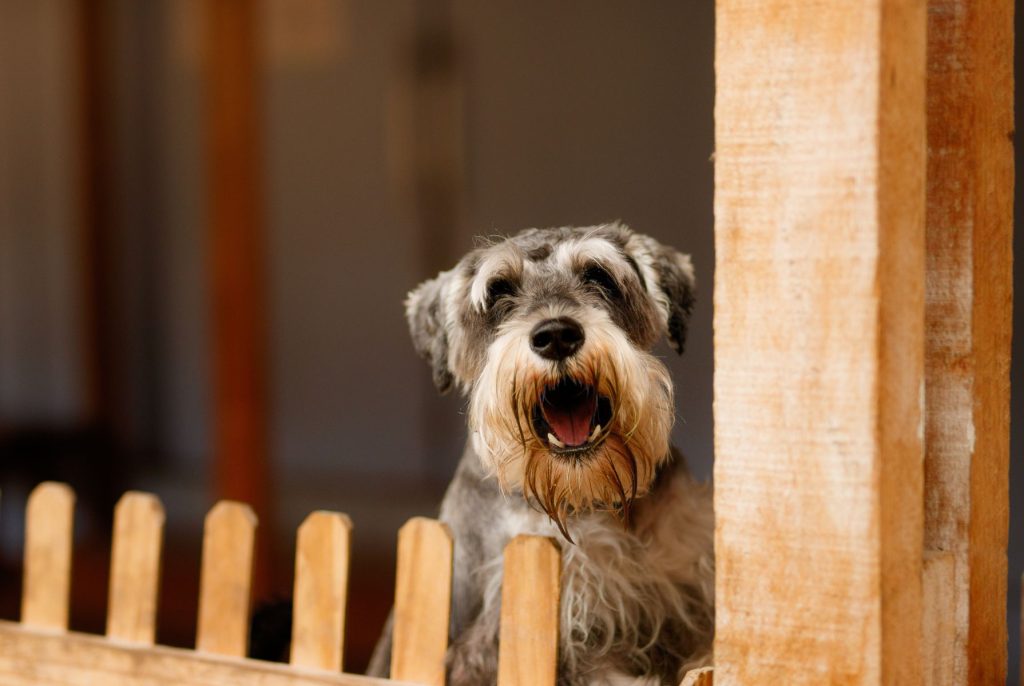
Facial expressions play a crucial role in understanding canine communication and deciphering the signs of stress and anxiety in dogs. Just like humans, dogs use their facial expressions to convey their emotions and state of mind. By paying close attention to these subtle cues, you can gain valuable insights into your furry friend’s well-being.
One common facial expression associated with stress and anxiety in dogs is furrowed brows. When a dog is feeling uneasy or threatened, you may notice vertical wrinkles appearing between their eyes. This furrowing of the brow is a clear indication of the dog’s concern or discomfort.
Another telltale sign is a tightly closed mouth or lips pulled back in a tense manner. This can be an indication that your canine companion is feeling stressed or anxious. Similarly, if you observe a dog licking their lips excessively or yawning when not tired, it may be a sign of underlying stress or unease.
Eyes are often referred to as the windows to the soul, and this holds true for dogs as well. When a dog is stressed or anxious, their eyes may appear wide and dilated. You may also notice a white crescent-shaped portion of the eye, known as the “whale eye,” which is an indicator of fear or anxiety.
Furthermore, the position of a dog’s ears can provide valuable insight into their emotional state. If a dog’s ears are pinned back against their head or held flat, it suggests they are feeling fearful or anxious. On the other hand, relaxed and forward-facing ears indicate a calm and content dog.
It is important to note that these facial expressions should be interpreted in conjunction with other body language cues to get a holistic understanding of a dog’s emotions.
Vocalizations and what they can tell us
Dogs, like humans, have their own unique way of expressing themselves. While we may not always understand their barks, howls, or whines, these vocalizations can provide valuable insights into their emotional state. By paying close attention to the various sounds our furry friends make, we can gain a deeper understanding of their needs and emotions.
Barking is perhaps the most common vocalization we associate with dogs. However, it’s important to recognize that not all barks are the same. A high-pitched, repetitive bark may indicate excitement or playfulness, while a low, growling bark can be a sign of aggression or fear. Whining, on the other hand, is often a plea for attention or a sign of anxiety. It’s crucial to listen carefully to the tone, pitch, and context of the barking or whining to accurately interpret what our dogs are trying to communicate.
Another vocalization that dogs use to express their feelings is howling. Howling can be a way for dogs to communicate their presence or to alert their pack members. It can also be a response to certain stimuli, such as hearing sirens or other dogs howling in the distance. While howling is a natural behavior for dogs, excessive or prolonged howling can indicate distress or separation anxiety.
In addition to barking, whining, and howling, dogs may also use other vocalizations such as growling, yelping, or whimpering. Growling is often a warning sign that a dog is feeling threatened or is uncomfortable with a particular situation. Yelping or whimpering can indicate pain, fear, or distress.
If you notice any sudden changes in your dog’s vocalizations or suspect that they may be experiencing stress or anxiety, consulting with a professional dog behaviorist or veterinarian can help address any underlying issues and ensure their well-being.

Other behavioral signs to watch for
Aside from the more obvious signs of stress and anxiety in dogs, such as trembling or excessive barking, there are several other behavioral cues that can provide valuable insight into their emotional state. By being attentive to these signs, you can better understand and address your furry companion’s needs.
Restlessness and pacing are common behavioral signs of stress in dogs. If you notice your dog constantly moving around, unable to settle down, it may be a sign that they are feeling uneasy. This could be triggered by various factors, such as changes in their environment, separation anxiety, or fear.
In some cases, dogs may exhibit a loss of appetite or a sudden change in eating habits when they are stressed or anxious. They may become disinterested in their food or even refuse to eat altogether. This can be a red flag indicating their emotional state, and it’s important to address any underlying causes of stress that may be affecting their appetite.
Lastly, destructive behavior can be a manifestation of stress and anxiety in dogs. When dogs are feeling overwhelmed, they may resort to destructive behaviors such as chewing furniture, shoes, or other household items. This behavior is often an outlet for their pent-up stress and can be a cry for help.
By paying attention to these behavioral signs, you can identify when your dog is experiencing stress or anxiety and take appropriate measures to alleviate their discomfort. Providing a calm and supportive environment, engaging in positive reinforcement training, and seeking professional help if needed can all contribute to your dog’s well-being and overall happiness.