
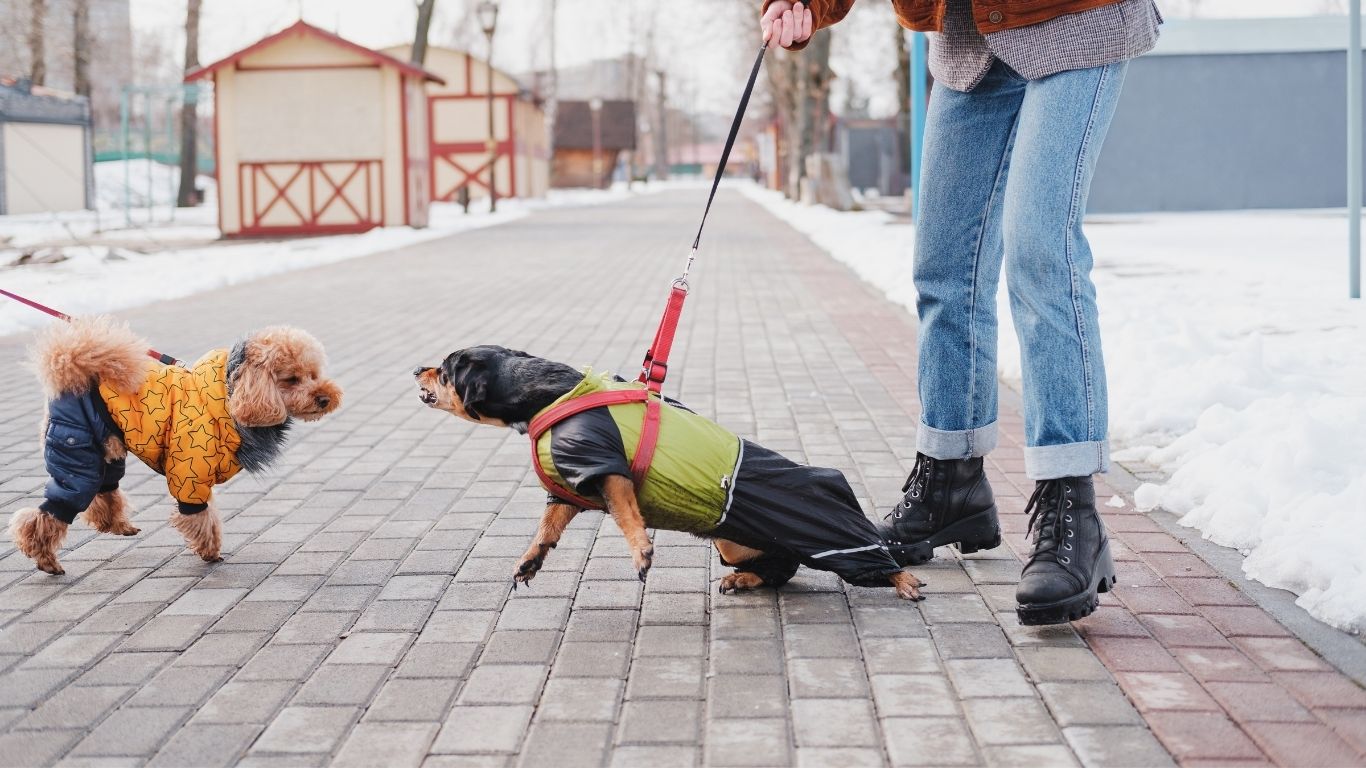
When people first come to me with a reactive dog, they often feel overwhelmed. Their dog may bark, lunge, growl, or spin when faced with certain situations — perhaps at other dogs, strangers, bikes, or unexpected noises. It can feel unpredictable, embarrassing, and even isolating.
One of the first things I tell them is this: reactivity is not bad behavior. It’s a communication of stress, fear, or overexcitement. And just like with humans who struggle with anxiety or trauma, the path forward is not punishment or obedience drills — it’s treatment.
Understanding What’s Driving Reactivity
Every reactive dog has a reason behind their outbursts. Understanding the root cause is the first step, because this is what guides how we help them.
- Fear and phobias: Many reactive dogs are responding to something that frightens them, often due to lack of socialisation or past negative experiences.
- Trauma: Dogs, like people, can carry emotional scars that make them hyper-vigilant or easily startled.
- Lack of impulse control: Some dogs struggle to regulate themselves when they get excited. That overexcitement can spill over into barking or lunging.
- Frustration: A dog who can’t get to what they want — another dog, a person, or even a toy — may tip into reactive behavior.
- General stress overload: Dogs have stress thresholds, just like humans. If they’re already “full” of stress, even a small trigger can set them off.
When we know why a dog reacts, we can begin to tailor our approach in a way that addresses the underlying emotions rather than just suppressing the outward behavior.
Why Obedience and Punishment Don’t Work
It’s tempting to think that teaching a dog to “sit,” “heel,” or “leave it” will fix reactivity. But when the brain is in panic mode, learning is nearly impossible. Obedience asks the dog to think. Reactivity means the dog is overwhelmed and cannot think.
Punishment, on the other hand, may stop the barking or lunging in the moment, but it doesn’t change how the dog feels inside. In fact, it often makes things worse — now the dog feels fear and punishment on top of it.
Our goal isn’t to control the dog through commands or corrections, but to change how they feel about the world around them.
Treatment, Not Training
Think about how we help people with anxiety or depression. We don’t tell them to “stop it.” We don’t punish them for panic attacks. Instead, we offer understanding, strategies for self-regulation, and safe, supportive environments.
Dogs deserve the same. For reactive dogs, “treatment” might include:
- Creating a sense of safety and predictability.
- Teaching the dog self-regulation skills, like how to settle or disengage.
- Slowly and carefully working through fear with desensitisation and counter-conditioning.
- Supporting their wellbeing with rest, enrichment, and stress reduction.
This process isn’t quick, and it isn’t about making a dog perfectly obedient. It’s about helping them feel calmer, more secure, and more able to cope with the world around them.
The First Step: Compassion
Reactivity can feel overwhelming, but it isn’t a life sentence. When we shift our perspective from “fixing bad behavior” to “supporting emotional healing,” everything changes.
Your dog isn’t giving you a hard time — they’re having a hard time. And with patience, empathy, and the right strategies, you can guide them towards a calmer, more confident life.
? In the next article, we’ll look at how to start building trust — the foundation for every step forward with a reactive dog.