
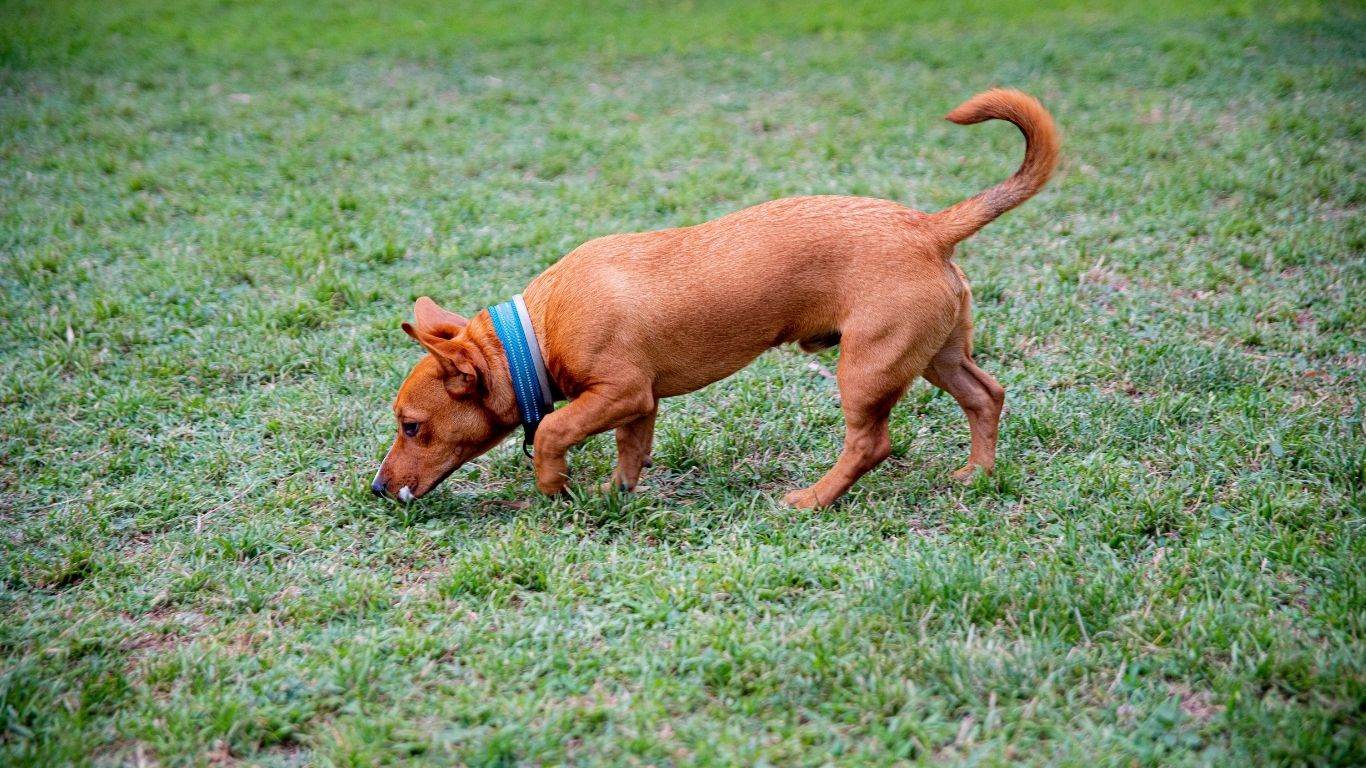
When you live with a reactive dog, it can sometimes feel like the world shrinks around you. Walks are carefully planned, encounters with other dogs or people can be stressful, and the lead often feels like both a lifeline and a barrier. In those moments, it’s easy to wonder if your dog will ever relax, or if you’ll ever fully trust each other outside of tightly managed situations.
This is where liberty work can be transformational.
What Is Liberty Work?
Liberty work simply means working with your dog without the constraints of a lead, collar, or harness — in a safe and secure space, of course. It’s about giving your dog freedom of movement and allowing communication to flow naturally between you. Instead of directing or restraining, you invite connection. Instead of controlling, you observe and respond.
Why Liberty Work Matters for Reactive Dogs
Reactive dogs are often caught in a cycle of tension: they feel pressure, they react, we tighten the lead, and the spiral continues. By removing the lead (in a controlled environment like a secure field or fenced paddock), we remove one layer of pressure. Your dog suddenly has more choice — to move closer, to move away, to pause and think.
This freedom allows them to:
- Decompress: Without constant restraint, their body and mind relax more easily.
- Learn at their pace: They can explore their environment and test their own comfort zones.
- Express themselves honestly: You see their true signals without the distortion of lead tension.
For us as handlers, liberty work also changes the dynamic. We no longer rely on the lead for security — instead, we learn to tune in to our dog’s body language, choices, and emotions. Trust begins to flow in both directions.
Building Trust Between Both Ends of the Lead
Liberty work is not about letting the dog “run wild.” It’s about creating an invisible connection through trust. When you step into that safe space and unclip the lead, you’re saying: I trust you to make choices, and I’ll respect those choices.
Over time, dogs begin to offer connection willingly:
- They check in with you between moments of exploring.
- They return when called, not because they have to, but because they want to.
- They learn that you respect their signals (like moving away or stopping to process), and in turn, they respect yours.
That shared trust is what eventually carries back into life on-lead, making walks calmer, more cooperative, and less of a tug-of-war.
Practical Benefits of Liberty Work with Reactive Dogs
- Improved recall: Dogs who practice coming back freely often become more reliable.
- Better body language reading: You sharpen your ability to spot the earliest signs of stress or excitement.
- Reduced frustration: Without the constant constraint of a lead, many reactive dogs show lower baseline arousal.
- Relationship boost: The dog sees you as a partner rather than a source of restraint.
Getting Started Safely
- Use a secure environment: a fenced field, long-line attached to a harness in open space, or an indoor arena.
- Keep sessions short and pressure-free: no demands, just observe and interact gently.
- Bring high-value rewards: not just food, but play, praise, or sniffing opportunities.
- Allow choice: if your dog walks away, let them. Connection happens when it’s freely offered.
A Final Reflection
Liberty work doesn’t magically erase reactivity — but it changes the foundation of your relationship. It creates space for both you and your dog to breathe, to listen, and to learn to trust each other again. And when trust deepens, reactivity often softens.
Sometimes the greatest gift we can give a reactive dog is not tighter control, but the freedom to show us who they truly are.