
When living with a reactive dog, it can sometimes feel like the world is full of triggers — bicycles, strangers, other dogs, or even sudden noises. Many owners tell me they feel helpless, as if their dog is on constant high alert.
The truth is, reactivity doesn’t get better through stricter control or demanding obedience. What makes the biggest difference is trust. For a dog who struggles with fear or overexcitement, the foundation of healing is knowing: “My human will keep me safe.”
Why Trust Matters More Than Training
Imagine being in a frightening situation and not knowing if the person you’re with has your back. You’d stay tense, hyperaware, and ready to defend yourself. Dogs feel the same.
A reactive dog can only relax when they believe their human will handle the environment for them. Once they learn this, they no longer feel the need to take matters into their own paws by barking, lunging, or growling. Trust is the safety net that allows learning and calmness to take root.
Bonding Creates Safety
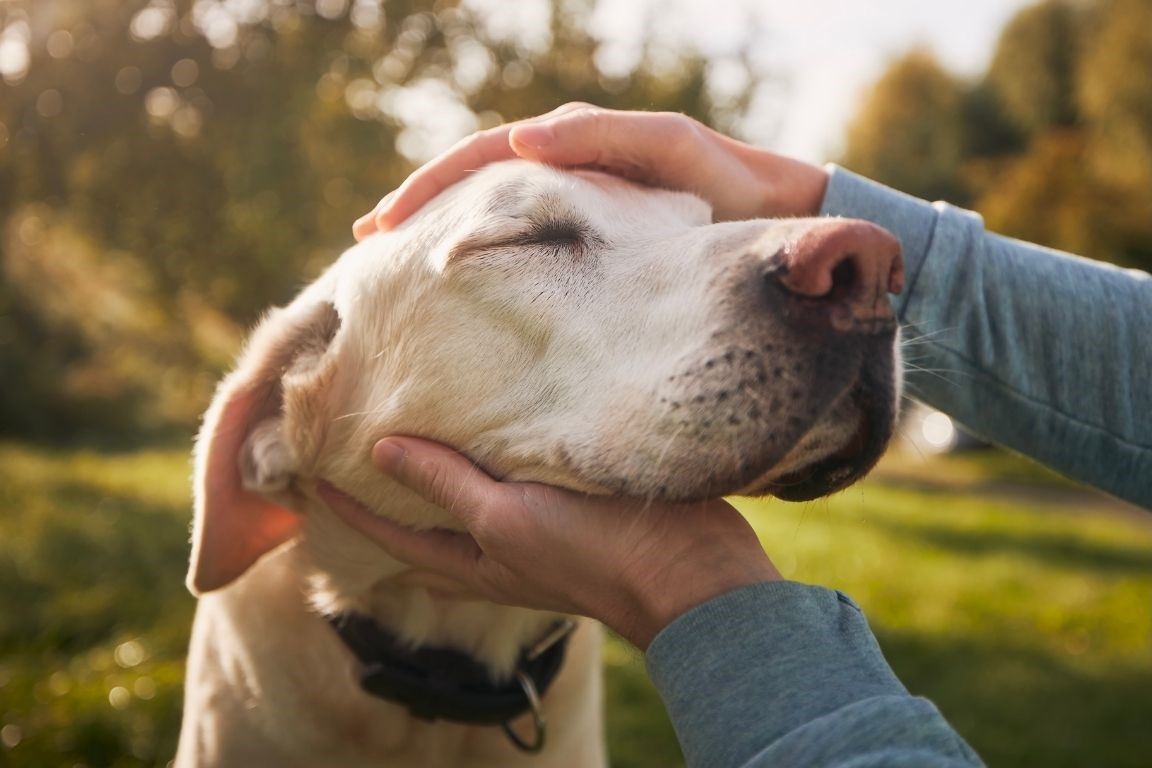
Bonding activities aren’t just “nice extras” — they are the building blocks of trust. Every time you play together, share calm touch, or follow a predictable routine, you’re teaching your dog: you matter, I see you, and I’ll keep you safe.
Some simple bonding activities include:
- Gentle play that doesn’t push your dog into over-arousal.
- Quiet time together, like brushing or simply sitting side by side.
- Consistent daily rituals — meals, walks, rest — that build predictability.
These moments add up, showing your dog that you are more than a rule-setter. You are their partner.
Focus Builds Confidence
For reactive dogs, learning to look to their owner in stressful situations is life-changing. That simple act of focus — a check-in glance, a hand touch, a response to their name — is more than just a skill. It’s reassurance.
It tells the dog: “I don’t need to figure this out on my own. My human has me.”
This doesn’t happen through force or constant commands. It’s built gently, by rewarding small moments when your dog chooses to connect with you, and by making it rewarding for them to turn their attention your way. Over time, it becomes second nature.
Communicating Safety
Dogs are always reading us. They notice if our shoulders tense, our voice sharpens, or we hold our breath. To a sensitive dog, that can feel like confirmation that something scary really is happening.
Instead, we can communicate safety through:
- A calm, steady voice.
- Relaxed body language and movements.
- Avoiding frustration or sharp corrections.
- Making proactive choices, like crossing the street to avoid a trigger, so the dog never feels forced into panic.
When you stay calm and make protective choices, your dog learns they don’t need to be on guard.
Respecting Signals Builds Trust
Every dog gives signals when they are uncomfortable — maybe they pause, lick their lips, or pull slightly back on the lead. When we respect those signals, the dog learns they are heard. When we ignore or push past them, trust erodes.
Giving your dog choice — like turning away from a situation or increasing distance — builds confidence. They discover that you listen, and that you will remove them from overwhelming moments. That respect deepens the bond.
Your Role as the Safe Base
When bonding and focus come together, something shifts. Your dog learns two vital lessons:
- “I am safe with my human.”
- “When I feel unsure, I can look to them for guidance.”
This is the heart of progress for reactive dogs. Trust doesn’t erase reactivity overnight, but it creates the stable foundation from which healing and growth become possible.
Final Thoughts
Helping a reactive dog isn’t about control or discipline — it’s about relationship. The more your dog trusts that you will keep them safe, the less they feel the need to react to the world around them.
When you become your dog’s safe base, you give them the greatest gift possible: the freedom to relax, knowing they’re not alone in facing life’s challenges.