
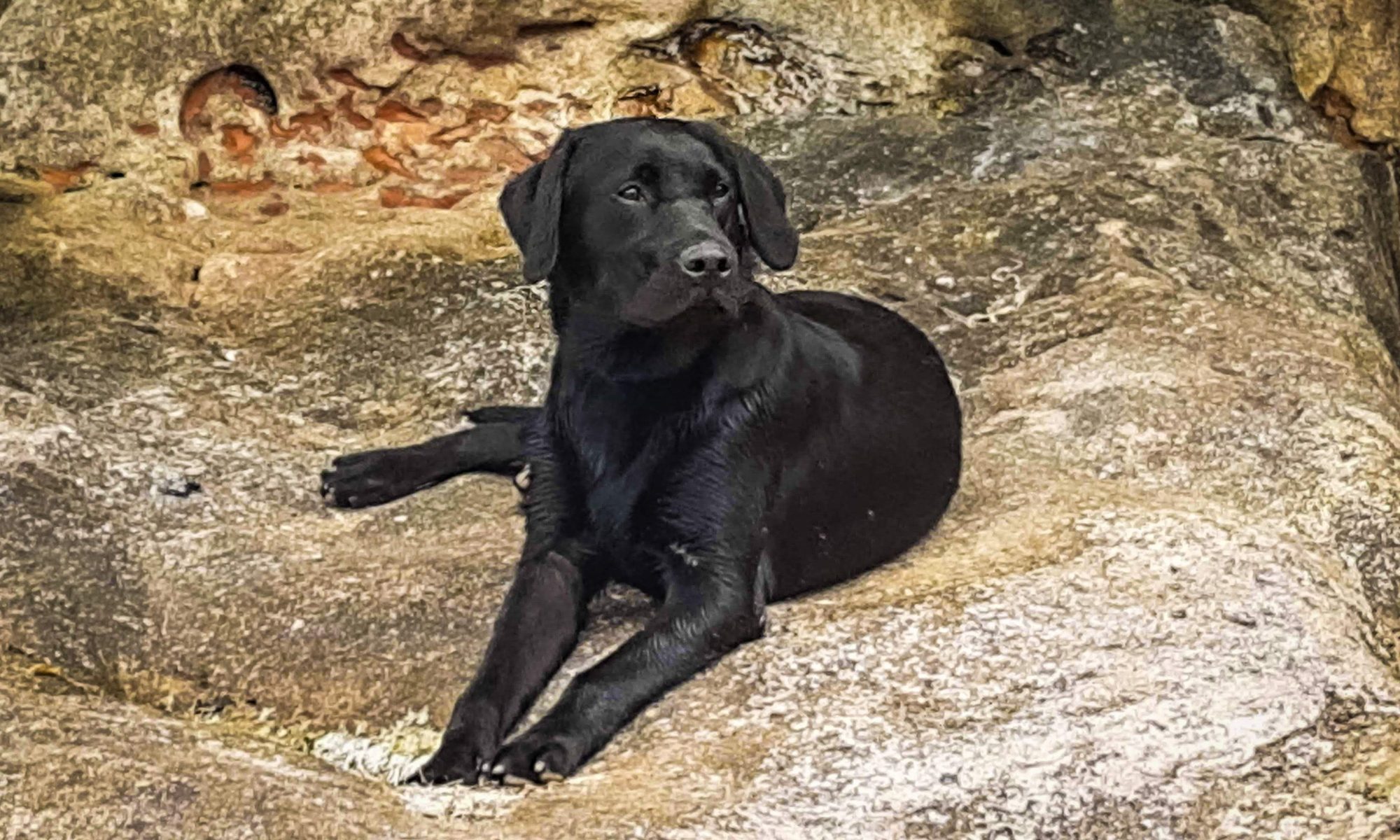
If you’ve ever shared your life with a big black dog, you may already know the quiet prejudice that follows them. People cross the street, children are pulled closer, and friendly greetings turn into wary glances.
“When I walk my black dog, I brace myself for the looks and the distance people put between us. It’s exhausting. He’s the gentlest soul I’ve ever known — and I wish more people could see that side of him.”
It’s a day-to-day reality for many owners and fosterers who know their gentle companions are too often judged by their colour and size.
What People Mean by “Big Black Dog Syndrome”
The term “Big Black Dog Syndrome” was first used in shelters to explain why large, dark-coated dogs were adopted less often. But the bias goes further. It shapes how people react to black dogs in homes, in parks, and on the street.
Owners of black Labradors, shepherd mixes, Newfoundlands, or even black Staffies often share similar experiences: their dogs are labelled intimidating, aggressive, or unapproachable—before they’ve even wagged their tails.
The Many Faces of Bias
- On walks: Owners describe people crossing roads, grabbing children’s hands, or lifting up small dogs at the sight of their black dog—even when the dog is relaxed and on lead.
- In the neighbourhood: Fosterers hear comments about “dangerous breeds” simply because their dog is black and large, regardless of actual temperament.
- At the vet or groomer: Subtle bias sometimes shows up in assumptions—black dogs being described as “difficult” or “hard to handle” without much evidence.
- In dog-to-dog interactions: Other dogs can struggle to read the facial expressions of dark-coated dogs, which may lead to tension, barking, or fights that reinforce human fears.
- In media & culture: From folklore to Hollywood, black animals have often been cast as ominous or threatening. Those stereotypes stick.
Real Stories, Real Frustration
One foster carer shared: “I’ve fostered golden dogs, brindle dogs, and black dogs. Every time I walk a black dog, I feel the difference—people are cautious, less friendly. It hurts because I know the dog is a sweetheart.”
These aren’t isolated stories—they’re everyday reminders that bias is alive in subtle but painful ways.
“Fostering black dogs has taught me resilience. Yes, they wait longer, and yes, they face bias. But when adoption day finally comes, it feels like we’ve beaten the odds together. Every success story is proof that love can outshine prejudice.”
Why It Matters
This isn’t just about feelings. The bias has real consequences:
- Emotional toll on owners and carers: Feeling judged, isolated, or constantly needing to defend your dog.
- Missed opportunities for dogs: Black dogs may be less socialised if people avoid them, reinforcing the cycle of fear.
- Unequal treatment: From adoption rates to neighbourhood acceptance, black dogs face barriers lighter dogs simply don’t.
What We Can Do
Change starts with awareness and small acts of advocacy:
- Owners: Share your dog’s positive qualities. A friendly introduction in a safe setting can gently challenge someone’s fear.
- Community: Learn to see the individual, not the stereotype. Pay attention to behaviour, body language, and context.
- Shelters & fosterers: Use good photos, bright collars, and storytelling to help black dogs shine in a world that often overlooks them.
A Note of Encouragement
Despite the bias, black dogs bring joy, loyalty, and love into homes every day. Many owners speak of the deep bonds they’ve formed—the sense that, once chosen, a black dog gives their whole heart in return. Raising awareness can help ensure fewer dogs are unfairly judged and more families see them for who they are.
Seeing Beyond the Shadow
Living with a big black dog isn’t always easy when the world meets them with suspicion. But for those who know them, these dogs are not shadows to fear—they are companions, teachers, and family.
The next time you see a big black dog, pause. Look past the coat. What you’ll find is not a stereotype, but a soul waiting to connect.