
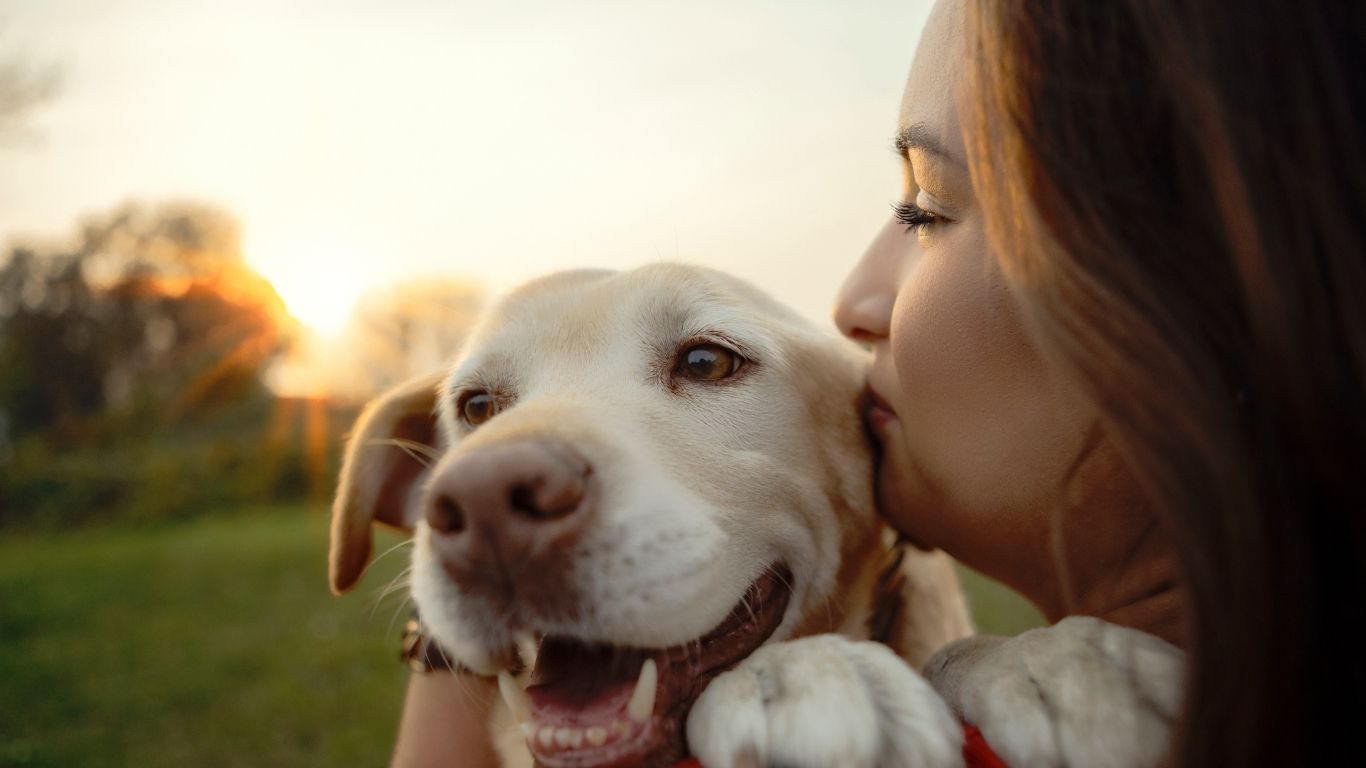
In a busy multi-dog household, it’s easy to get caught up in group walks, play sessions, and training. But while these activities are important, each dog also needs dedicated one-on-one time with you. It’s not just a luxury—it’s essential for building trust, confidence, and emotional balance in your dogs.
The Importance of Individual Attention
Each dog in your home is a unique individual, with their own personality, preferences, and needs. Spending solo time with each dog helps:
- Strengthen the bond between you and that dog.
- Boost confidence in shy or anxious dogs.
- Reduce jealousy or competition among dogs.
- Identify subtle health or behavioral issues that might be missed in group settings.
Even 10–15 minutes a day can make a difference. Think of it as giving each dog their own “safe space” to be seen, heard, and valued.
Signs Your Dog May Need More Individual Attention
Even if your dogs seem happy together, there are subtle (and sometimes not-so-subtle) signs that a dog may be craving more solo time with you:
- Seeking extra attention: Constant nudging, pawing, or following you everywhere.
- Jealous or possessive behavior: Growling, snapping, or guarding toys when other dogs are near.
- Withdrawal or anxiety: Hiding, excessive panting, or seeming nervous around others.
- Overexcitement or clinginess: Over-the-top greeting behaviors or inability to settle when the household is busy.
- Regression in training: Suddenly ignoring commands or becoming more easily distracted.
Recognizing these signals early allows you to proactively provide one-on-one time before issues escalate, strengthening your relationship and keeping your multi-dog home harmonious.
Practical Ways to Spend 1-on-1 Time
You don’t need hours to make a real impact. Here are some simple ways to connect with each dog individually:
- Short Walks
Take each dog for a quick walk around the block. It’s a chance to practice loose-lead walking and enjoy a peaceful, personalized outing.
- Solo Play Sessions
Play a game that each dog enjoys—fetch, tug, or hide-and-seek. Tailor it to their energy level and interests.
- Training Moments
Even a 5-minute training session can be powerful. Work on basic commands or fun tricks, rewarding attention and focus.
- Quiet Cuddle Time
Sometimes, just sitting together and offering calm touch or gentle petting is enough. Many dogs thrive on this intimate connection.
Overcoming Challenges in a Multi-Dog Home
Finding time for each dog can feel impossible, especially if your dogs have different energy levels or needs. Here are a few tips:
- Rotate focus: Spend one-on-one time with one dog in the morning and another in the evening.
- Include them in routines: Even while doing chores, give each dog a few minutes of individual attention.
- Use boundaries: Teach dogs to respect each other’s one-on-one sessions so there’s no conflict.
The Emotional Benefits for Owners
Investing in one-on-one time isn’t just good for your dogs—it’s good for you too. You’ll notice stronger bonds, improved communication, and a calmer, more harmonious household. It also helps you feel more connected and less overwhelmed by juggling multiple dogs at once.
Takeaway
Every dog deserves to feel special, seen, and loved as an individual. By carving out dedicated one-on-one moments, you’re not just nurturing your dogs—you’re nurturing a happier, healthier household.