
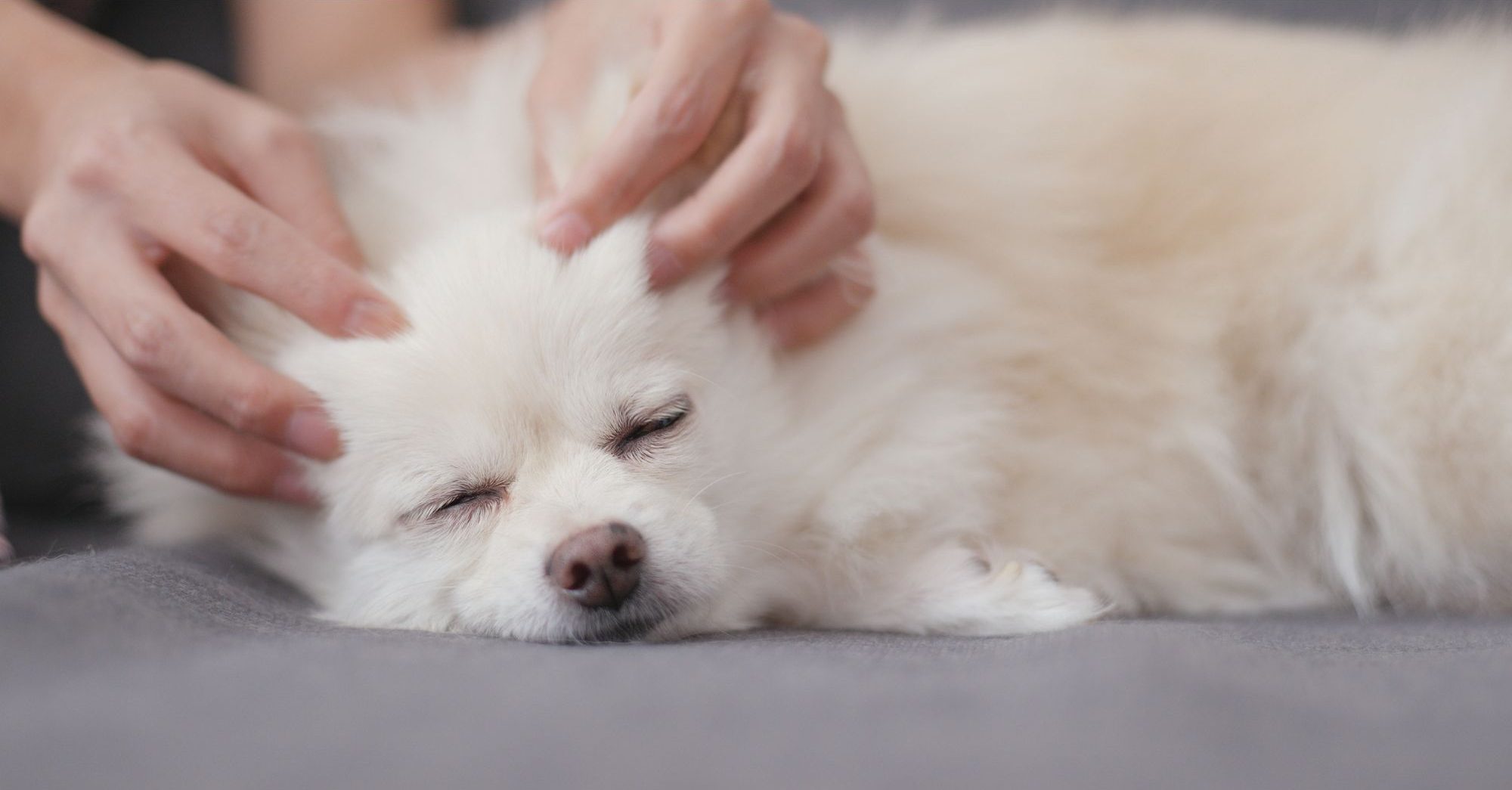
Dogs can be our best friends, but they can also suffer from anxiety and hyperactivity, just like humans. There are many ways to help your furry friend relax, but one of the most effective is through touch therapy. Touch therapy is a form of holistic healing that involves the use of gentle touch to calm and relax the body and mind. It is a natural and non-invasive way to help your dog overcome anxiety, hyperactivity, and other behavioral issues. In this blog post, we will explore the power of touch and how it can help your nervous and hyperactive dog to find relaxation and peace. We will look at different touch therapy techniques that you can use at home, as well as the benefits of each. By the end of this post, you’ll have the tools you need to help your furry friend achieve a state of calm and relaxation.
Understanding the importance of touch for nervous and hyperactive dogs
Understanding the importance of touch for nervous and hyperactive dogs is crucial in helping them find relaxation and calmness. Just like humans, dogs also have a deep need for physical contact and affection. Touch has the power to soothe their anxious minds, provide a sense of security, and create a bond between them and their owners. For nervous dogs, touch can be a source of comfort during stressful situations. A gentle stroke or a reassuring pat on the head can help them feel safe and protected. It can also help redirect their focus from their fears or anxieties to the comforting sensation of touch.
Hyperactive dogs, on the other hand, often have an excess of energy that needs to be channeled in a positive way. Physical touch, such as engaging in gentle play or giving them a massage, can help them release pent-up energy and promote relaxation. By providing them with appropriate physical stimulation, you can help calm their restless minds and reduce their hyperactivity.
It’s important to note that not all dogs respond the same way to touch, and individual preferences may vary. Some dogs may enjoy a full-body massage, while others may prefer light touches or specific areas of their body being touched. It’s essential to observe your dog’s reactions and body language to determine what type of touch they find most comforting and relaxing.
In addition to touch, incorporating other relaxation techniques such as aromatherapy or music therapy can further enhance the calming effect on nervous and hyperactive dogs. By creating a peaceful and soothing environment combined with the power of touch, you can help your furry friend find the relaxation they need and deserve.
Remember, always approach touch with gentleness and respect for your dog’s boundaries. Building trust and providing positive experiences through touch can create a lasting impact on their overall well-being, leading to a happier and more relaxed canine companion.
The science behind the power of touch in calming dogs
The power of touch is not just a figment of our imagination when it comes to calming nervous and hyperactive dogs. There is actually scientific evidence behind the soothing effects of touch on our furry friends.
When we touch a dog, whether it’s through petting, massaging, or gentle strokes, it triggers a release of oxytocin in both the dog and the human. Oxytocin, often referred to as the “love hormone,” is responsible for creating a sense of bonding, trust, and relaxation.
Studies have shown that when dogs are gently touched, their heart rate decreases, their blood pressure lowers, and stress hormones like cortisol are reduced. In fact, research conducted at the University of California, Davis found that just 10 minutes of gentle petting can significantly decrease stress levels in dogs.
The power of touch goes beyond simply physical contact. It also involves the emotional connection and reassurance that comes with it. Dogs, being highly social animals, crave affection and touch from their human companions. When they receive this kind of positive touch, it helps them feel safe, secure, and loved.
It’s important to note that not all dogs enjoy being touched in the same way. Some may prefer light and gentle strokes, while others may enjoy a firmer massage. It’s essential to observe your dog’s body language and response to different types of touch to understand their preferences.Incorporating touch into your routine with a nervous or hyperactive dog can be a game-changer. From calming them during stressful situations like thunderstorms or vet visits to helping them relax before bedtime, the power of touch is a powerful tool in your arsenal to unlock relaxation for your furry companion.
Touch techniques to help relax and soothe your dog
When it comes to helping nervous and hyperactive dogs find relaxation, incorporating different types of touch techniques can make a significant difference. Each dog is unique, and what works for one may not work for another. Therefore, it’s essential to explore various techniques to find the ones that best suit your furry friend’s needs.
Massage therapy. One effective way to utilize touch is through massage therapy for dogs. Gentle strokes and rhythmic kneading can help release tension and promote relaxation. Start with slow, light touches, and observe your dog’s response. Pay attention to their body language and adjust the pressure accordingly. This technique stimulates the release of endorphins, the body’s natural feel-good chemicals, promoting a sense of calm and relaxation.
Tellington Touch (TTouch). Developed by Linda Tellington-Jones, TTouch is a method that involves circular touches and lifts to specific body parts. This technique aims to enhance body awareness and build trust in nervous dogs. By focusing on the ears, paws, and other areas, TTouch can help calm and ground hyperactive dogs.
Acupressure. Similar to acupuncture, acupressure involves applying gentle pressure to specific points on the dog’s body. These pressure points can help alleviate anxiety, reduce stress, and promote overall relaxation. Consult with a professional trained in canine acupressure to learn the appropriate techniques and pressure points.
Brushing and Grooming. Regular brushing not only helps keep your dog’s coat healthy but can also be a soothing experience for them. The repetitive motion of brushing can have a calming effect on nervous dogs. Additionally, grooming sessions provide an opportunity to bond with your pet and create a positive association with touch.
Blankets and wraps. Another touch-based method to consider is the use of weighted blankets or wraps specially designed for dogs. These products provide a gentle, constant pressure that mimics the feeling of a comforting hug. The pressure helps to activate the parasympathetic nervous system, which is responsible for the “rest and digest” response, helping your dog to feel more at ease.
Petting your dog. In addition to massage and weighted blankets, simply petting your dog can work wonders in promoting relaxation. The repetitive motion of stroking their fur releases oxytocin, often referred to as the “love hormone,” which helps reduce stress and anxiety. Focus on slow and gentle strokes, paying attention to areas where your dog enjoys being touched the most.
It’s important to note that each dog is unique, and what works for one may not work for another. Pay close attention to your dog’s response to different types of touch and adjust accordingly. Always be mindful of their comfort level and never force any form of touch upon them.
Common mistakes to avoid when using touch to calm your dog
When it comes to using touch to calm nervous and hyperactive dogs, there are some common mistakes that dog owners often make. These mistakes can hinder the effectiveness of touch therapy and prevent your furry friend from experiencing the relaxation they desperately need.
One of the most common mistakes is applying too much pressure. While gentle pressure can be soothing, excessive force can cause discomfort and anxiety in your dog. It’s important to be mindful of your dog’s body language and responses to touch. If they show signs of discomfort or try to move away, lighten your touch or try a different technique.
Another mistake to avoid is using inconsistent or unpredictable touch. Dogs thrive on routine and predictability, so it’s crucial to establish a consistent touch routine. This could involve daily massage sessions or specific touch techniques during stressful situations. By creating a predictable pattern, your dog will start associating touch with relaxation and comfort.
It’s also important to avoid using touch as the sole method of calming your dog. While touch therapy can be incredibly beneficial, it should be combined with other relaxation techniques, such as aromatherapy or music therapy. This holistic approach ensures that your dog receives a well-rounded and comprehensive relaxation experience.
Lastly, rushing the process is a mistake that should be avoided. Calming a nervous or hyperactive dog takes time and patience. Building trust and creating a positive association with touch therapy may require several sessions. Allow your dog to adjust to the process gradually, and don’t expect immediate results. Consistency and persistence are key in helping your dog unlock the full potential of touch therapy.
By avoiding these common mistakes, you can maximize the power of touch and provide your nervous and hyperactive dog with the relaxation they need. Remember to be gentle, consistent, and patient, and soon you’ll witness the transformative effects of touch therapy on your furry friend’s well-being.
The long-term benefits of incorporating touch into your dog’s life
Incorporating touch into your dog’s life can have numerous long-term benefits. Physical affection and touch helps them feel loved, secure, and can enhance their emotional and mental health. Regularly engaging in touch-based activities such as massages, cuddles, and gentle petting not only strengthens the bond between you and your furry friend but also promotes relaxation and reduces stress.
For nervous or hyperactive dogs, touch can be particularly transformative. One of the key benefits of touch is its ability to calm an anxious or nervous dog. The gentle pressure of your hands and the soothing strokes can help relax their muscles, release tension, and lower their heart rate. This physical contact triggers the release of endorphins, the feel-good hormones, which can help alleviate anxiety and promote a sense of calmness.
Moreover, incorporating touch into your dog’s routine can aid in desensitization. By gradually exposing your dog to different types of touch, such as brushing or paw handling, you can help them become more comfortable and less reactive in various situations. This can be particularly helpful for dogs with fear or aggression issues, as it teaches them to associate touch with positive experiences.
Additionally, touch-based activities can provide mental stimulation for your dog. Engaging in gentle massages or interactive play sessions that involve physical contact can help stimulate their senses, improve their focus, and enhance their overall cognitive function. This can be especially beneficial for energetic or hyperactive dogs, as it provides them with a healthy outlet for their energy and helps them channel it in a positive way.
Incorporating touch into your dog’s life not only has immediate effects but also has long-lasting benefits. Regular touch-based interactions can strengthen the bond between you and your dog, promote relaxation, alleviate anxiety, and enhance their overall well-being. So, make sure to carve out time in your day to give your furry friend the power of touch they need to thrive.
Understanding the importance of touch and implementing various techniques can have a profound impact on your furry friend’s overall well-being. By providing them with the right kind of touch, you can unlock a deep sense of relaxation and help alleviate anxiety in these dogs. Remember, consistency and patience are key when working with nervous or hyperactive dogs. We hope our tips bring you closer to creating a calm and harmonious environment for your beloved pet.