
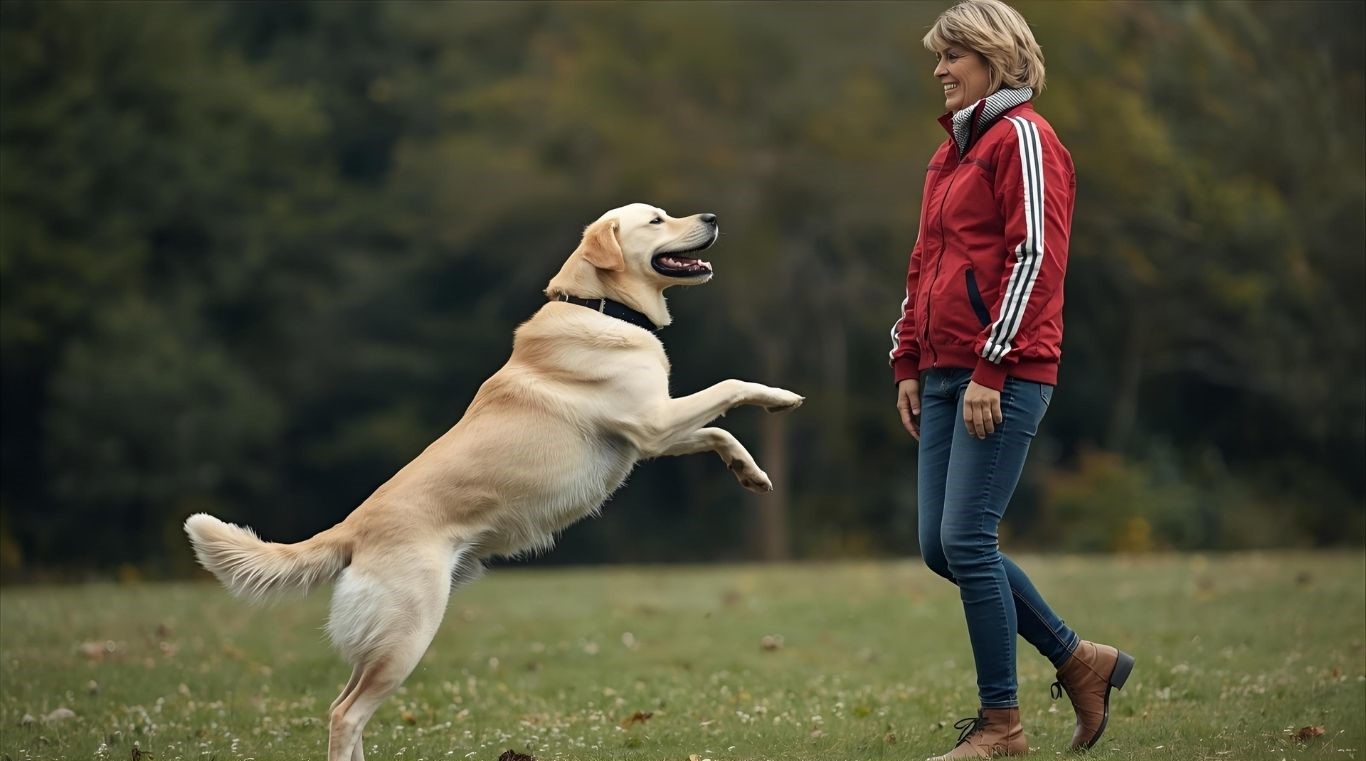
When Sarah first came to me with her Labrador, Max, she was exhausted. Max was sweet, full of energy — and a little too enthusiastic about showing it.
Every time Sarah came through the front door, Max would launch himself at her, barking and pawing for attention. She tried turning away, she tried saying “No,” but nothing seemed to work. Max just didn’t understand what she wanted.
That’s when I introduced Sarah to the magic of a marker word.
I explained that dogs live in the moment. For Max, the difference between sitting politely and leaping up was just a split second — and without clear communication, he couldn’t know which behavior Sarah wanted.
So we gave Sarah a simple tool: the word “Yes!”
But before we used it, we had to condition it. Sarah sat with Max, said “Yes!” in a happy tone, and immediately handed him a treat. Over and over again. Within a few minutes, Max’s eyes lit up every time he heard the word — he knew it meant something good was coming.
The next step was using the marker in real life.
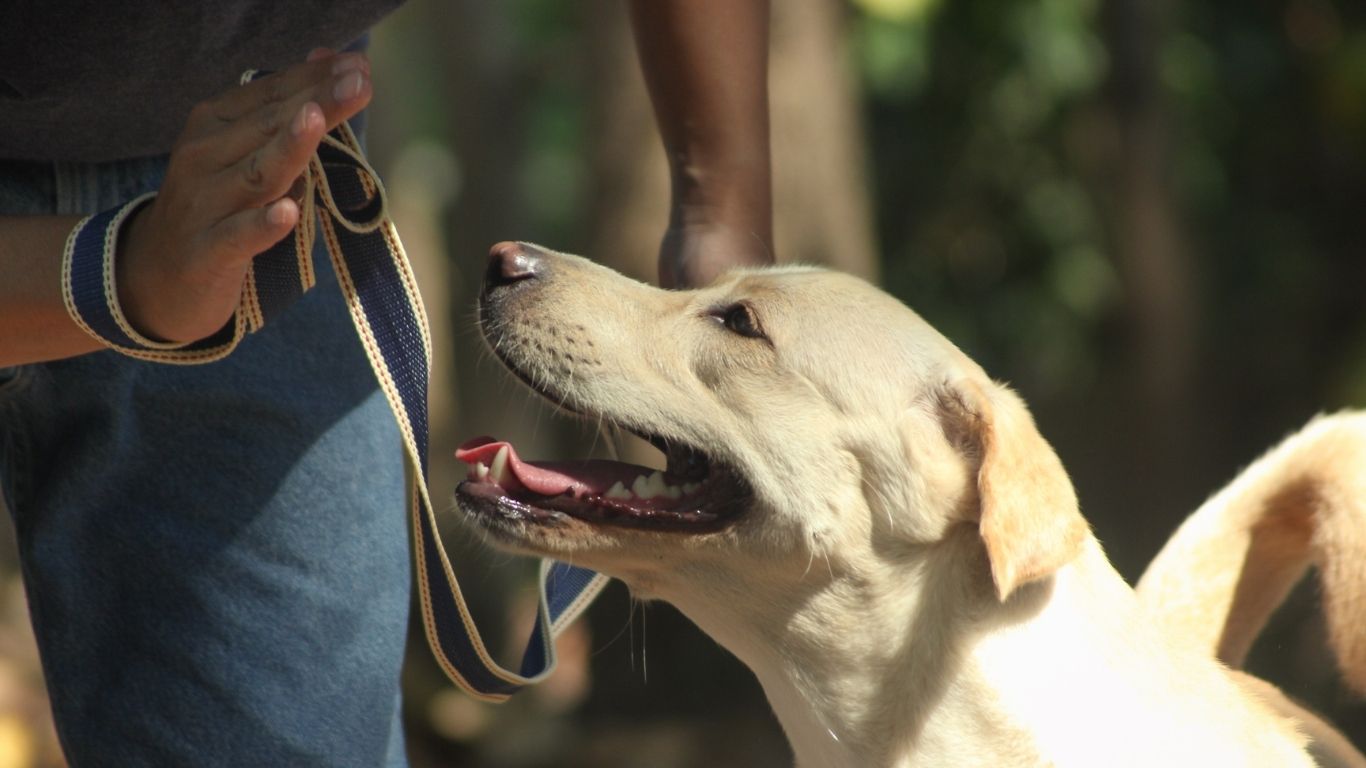
This time, when Sarah walked through the door, Max started to bounce. But instead of scolding him, Sarah stood calmly, waiting. The moment Max’s paws touched the floor and his body stilled for half a second, she said:
? “Yes!”
And then came the treat.
Max froze, surprised. He realized that not jumping had just earned him something wonderful. Within a few repetitions, the lightbulb went on. Jumping got him nothing. Sitting politely and waiting for “Yes!” got him everything.
The marker gave Sarah a way to tell Max, in the exact moment, that he had made the right choice. No confusion. No frustration.
-
Clarity: Max finally understood which behavior Sarah wanted.
-
Timing: Sarah could “capture” the instant Max’s paws were on the ground.
-
Trust: Max learned that “Yes!” always meant good things were on the way.
The barking and jumping began to fade, replaced by calmer greetings and a wagging tail.
Markers aren’t just for solving jumping. They’re powerful tools for teaching any new behavior — from sit and stay to leash walking or polite door manners.
By conditioning a marker (a simple “Yes!” or click), you create a clear line of communication. You don’t just stop unwanted behaviors — you guide your dog toward better ones, while building trust and making training more rewarding for both of you.
Sometimes the smallest tools create the biggest changes.
For Sarah and Max, one little word turned chaotic greetings into calm, happy moments.
And for you and your dog, it could be the same.
? Next time you train, remember: mark the good, reward the effort, and watch your dog thrive. ?✨